Red Flags When Vetting a Magnetic Window Cleaner Supplier
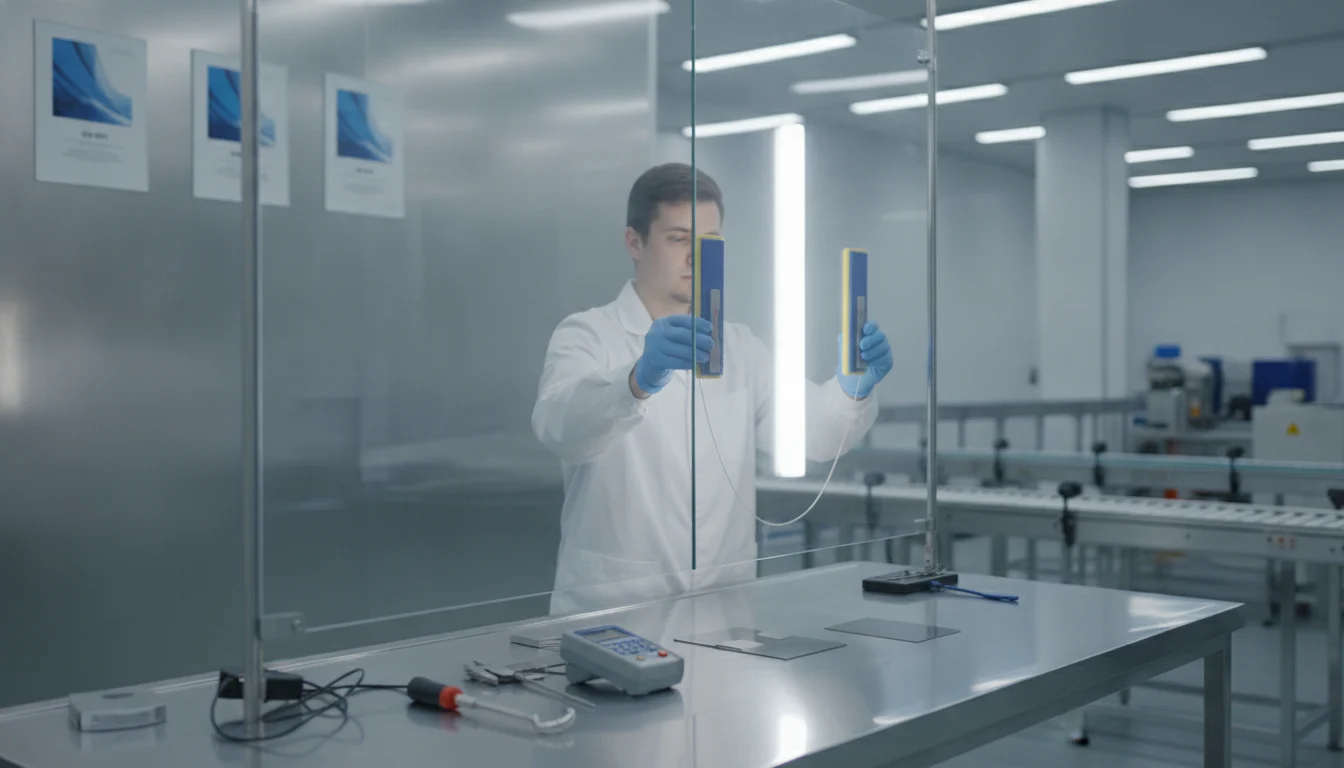
The most common red flags when vetting a magnetic window cleaner supplier include missing ISO9001 or CE/RoHS certifications, vague or exaggerated glass-thickness claims, unwillingness to provide samples or production evidence, pressure to pay outside protected platforms, and no physical factory address or domain-based email. A legitimate supplier provides traceable documentation, clear technical specifications for magnetic force and glass compatibility, and transparent commercial terms including MOQ, lead time, and payment methods.
📋 Table of Contents

Key Takeaways
- ISO9001, CE, and RoHS are the baseline certifications for magnetic window cleaner suppliers exporting to Europe, North America, and Australia; absence of these documents signals weak quality control or regulatory non-compliance.
- Legitimate magnetic window cleaners specify glass-thickness ranges in millimeters and adjustable magnetic-force stages; vague claims like ‘fits all windows’ or exaggerated ranges beyond 45mm indicate product misrepresentation.
- Suppliers who refuse paid samples, production photos, or written lead times often lack genuine manufacturing capacity or are reselling generic stock without quality oversight.
- Pressure to pay by wire transfer, cryptocurrency, or gift cards instead of trade-assurance platforms or letters of credit is a common fraud indicator in cross-border B2B transactions.
- A verifiable factory address, company registration number, and domain-based email (not free webmail) are minimum legitimacy signals; their absence suggests shell companies or dropshipping intermediaries.
- Pricing far below market averages, combined with claims of unlimited capacity or instant shipment, typically points to counterfeit products, substandard materials, or bait-and-switch schemes.
Missing or Unverifiable Certifications
ISO9001 certification proves a supplier maintains documented quality-management systems covering material inspection, production control, and final testing. CE marking is mandatory for cleaning equipment sold in the EU, and RoHS restricts each hazardous substance to below 0.1% by weight. A supplier who cannot provide current certificate PDFs with registration numbers, issuing bodies, and expiry dates raises immediate doubt about factory-floor discipline and export readiness.
How to Verify Certification Authenticity
Request the full certificate PDF, not a logo on the website. Cross-check the issuing body’s name and registration number on the certifying organization’s public database. For ISO9001, the certificate should list the factory address and scope of certification. For CE, ask for the Declaration of Conformity document, which names the EU directives covered (typically the Machinery Directive 2006/42/EC and the Low Voltage Directive if the product includes electrical components). Certificates issued by unknown or unaccredited bodies have no legal standing in target markets.
What Missing Certifications Signal
Absence of ISO9001 often means no formal incoming-material inspection, no calibrated testing equipment, and no documented corrective-action process. Missing CE or RoHS compliance blocks customs clearance in the EU and exposes importers to regulatory fines. Suppliers who promise to ‘arrange certification later’ or offer generic certificate templates are either trading companies without factory access or manufacturers cutting corners to reduce costs. Fonoran’s CE certifications are verifiable through our factory registration and updated annually with third-party audits.
Vague Glass-Thickness Specifications
Magnetic window cleaners must match magnetic force to glass thickness. A unit tuned for thin single glazing loses grip across thick double-glazed panes, while a unit designed for 40mm insulated glass can crack thin single-pane windows if the magnetic pull is too strong. Suppliers who list only ‘suitable for double glazing’ or ‘universal fit’ without millimeter ranges either lack technical understanding or are reselling generic products without testing.
Technical Red Flags in Product Listings
- No millimeter range: legitimate products specify glass thickness in millimeters, such as 5-35mm or 8-40mm, not vague terms like ‘standard windows’ or ‘most homes’.
- Exaggerated ranges: claims of 3-50mm or wider in a single non-adjustable unit are physically implausible; magnetic force drops exponentially with distance, so a 50mm gap requires magnets too strong for safe use on thin glass.
- Missing adjustable-force details: adjustable magnetic cleaners should state the number of force stages and the thickness range each stage covers; absence of this data suggests the product is a fixed-force model mislabeled as adjustable.
- Stock photos only: reverse-image searches that find the same product photo on multiple unrelated supplier sites indicate dropshipping or catalog reselling, not factory-direct supply.
Why Glass-Thickness Accuracy Matters
Distributors and facility-management buyers need precise specifications to match products to their regional glazing standards. Single-pane windows in older buildings are thinner, while modern double-glazed units are significantly thicker. Mismatched magnetic force leads to product returns, safety complaints, and damaged glass. Our magnetic window cleaner product range covers 3-45mm across four adjustable SKUs with documented force ratings for each stage, eliminating guesswork for buyers specifying equipment for mixed building portfolios.
In practice: A home user in Germany needed an adjustable unit for 36mm insulated glass; the 10-45mm SKU provided sufficient magnetic grip with room to spare, avoiding the over-compression risk of a fixed-force model.
Sample and Production-Evidence Refusal
A supplier unwilling to sell samples at cost, provide production-floor photos, or share recent shipment documentation is likely a trading intermediary or a manufacturer hiding substandard output. Legitimate factories treat sample orders as proof-of-capability opportunities and readily document their production environment to build buyer confidence.
What to Request Before Placing Bulk Orders
- Paid samples with tracking: request 1-3 units at cost plus shipping, delivered by express courier with full tracking; refusal or evasion suggests the supplier cannot fulfill small orders or lacks inventory control.
- Production-floor photos or video: ask for timestamped images showing assembly lines, quality-control stations, and packaging areas; generic stock photos or photos showing only finished products in plain backgrounds are common among resellers.
- Recent shipment evidence: request redacted commercial invoices, bills of lading, or container-loading photos from the past 90 days to confirm active export operations; inability to provide these indicates dormant or fabricated capacity.
- Written lead times: ask for production lead time in writing, broken down by order quantity tiers (e.g., 100-500 units, 501-1,000 units); vague answers like ‘depends on season’ or ‘we will confirm later’ signal poor production planning or no factory access.
Why Sample Refusal Is a Critical Red Flag
Suppliers who refuse samples often operate as middlemen sourcing from unknown factories, or they lack confidence in product quality. Sample orders test not only the product but also the supplier’s order-processing accuracy, packaging integrity, and communication responsiveness. A supplier who ships samples promptly with accurate specifications and protective packaging demonstrates operational competence. One who delays, substitutes models, or ships damaged units will replicate those failures at scale.
Payment-Method Pressure
Pressure to pay by wire transfer, cryptocurrency, or gift cards instead of trade-assurance platforms or letters of credit is the most reliable fraud indicator. Legitimate B2B suppliers accept Alibaba Trade Assurance, PayPal for samples, and L/C for container orders; they never insist on irreversible payment methods that leave buyers with no recourse.
Safe Payment Methods for International Orders
Recognizing Payment-Pressure Tactics
Fraudulent suppliers create urgency by claiming limited stock, expiring discounts, or ‘special buyer’ status that requires immediate wire transfer. They may offer steep discounts for paying outside Alibaba or refusing L/C terms. Legitimate suppliers understand that B2B buyers require payment terms that protect both parties and never penalize buyers for using secure methods. Payment terms, deposit schedules, and acceptable methods are confirmed at quotation and documented in the proforma invoice.
No Physical Factory Address or Domain Email
A verifiable factory address, company registration number, and domain-based email are minimum legitimacy signals. Suppliers using only free webmail accounts (Gmail, Yahoo, Hotmail) or providing vague addresses like ‘Guangdong Province’ without street details are often unregistered intermediaries or shell companies with no physical operations.
What to Verify Before First Contact
- Full factory address: request the complete street address, district, city, and postal code; cross-check it on Google Maps satellite view to confirm the presence of industrial buildings, not residential or agricultural land.
- Company registration number: in China, this is the Unified Social Credit Code (18 digits); legitimate suppliers provide it on request and it can be verified through the National Enterprise Credit Information Publicity System.
- Domain-based email: contact email should match the company website domain (e.g., sales@companyname.com); free webmail accounts indicate no investment in business infrastructure and make supplier identity untraceable.
- Business license scan: request a copy of the business license showing the registered company name, legal representative, and registration date; compare the name on the license to the name on quotations and invoices for consistency.
Why Address and Email Matter
Physical addresses enable third-party factory audits, legal recourse in case of disputes, and verification of manufacturing capacity. Domain emails prove the supplier controls a registered web presence and can be held accountable. Suppliers who refuse to share these details or provide inconsistent information across documents are either hiding their true identity or operating without proper business registration. Fonoran operates from a 6,500m² facility in Taizhou, Zhejiang, with full company registration and domain-based communication channels verified by Alibaba Gold Supplier status.
Unrealistic Capacity or Pricing Claims
Pricing far below market averages, combined with claims of unlimited capacity or instant shipment, typically points to counterfeit products, substandard materials, or bait-and-switch schemes. Legitimate factories operate within known cost structures for raw materials, labor, and logistics; significant underpricing signals compromised quality or hidden fees that surface after deposit payment.
Capacity Red Flags
- Instant availability for large orders: claims of 10,000+ units in stock ready to ship immediately are implausible for custom or OEM products; real factories produce to order or maintain limited finished-goods inventory due to capital constraints.
- No MOQ or unrealistically low MOQ: while some suppliers offer low MOQs, claims below standard minimums for factory-direct pricing contradict the economics of tooling setup, material procurement, and production-line efficiency.
- Vague production timelines: inability to provide specific lead times by order quantity suggests the supplier is not coordinating production directly.
- Unlimited customization at no extra cost: legitimate OEM and ODM services charge tooling fees, setup costs, or higher per-unit pricing for custom colors, logos, or packaging; offers of ‘free customization’ with no minimum order value are economically unsustainable.
Pricing Red Flags
Magnetic window cleaners require neodymium magnets, ABS or polycarbonate housings, microfiber cleaning pads, and safety cords. Raw-material costs, labor, and export logistics set a price floor that varies little between legitimate suppliers. Pricing 30-50% below competitor averages usually means substitution of ferrite magnets for neodymium, recycled plastics, or elimination of safety features. Buyers should request material specifications in writing and compare them to industry norms rather than selecting purely on price.
Fonoran production capacity: 50,000+ units per day from a 6,500m² facility with 60+ skilled workers. MOQ: from 2 units. Lead time and pricing are confirmed at quotation based on order specifications.
FAQ
How do I verify a supplier’s factory address without visiting in person?
Request the full street address and cross-check it on Google Maps satellite view to confirm industrial buildings are present. Use third-party audit services like Bureau Veritas, SGS, or TUV to conduct on-site factory inspections that verify production capacity, equipment, and workforce. Ask for timestamped production-floor photos or video calls showing the assembly line, quality-control stations, and packaging areas. Compare the address on the business license, quotation, and shipping documents for consistency. Suppliers with nothing to hide provide this information promptly.
What should I do if a supplier refuses to provide samples before a bulk order?
Treat sample refusal as a disqualifying red flag and move to the next supplier on your shortlist. Legitimate factories sell samples at cost plus shipping because samples prove product quality, test packaging integrity, and demonstrate order-processing competence. If a supplier cites ‘company policy’ or ‘high sample costs’ as reasons for refusal, they likely lack confidence in their product or are reselling without quality control. For magnetic window cleaners, samples let you verify glass-thickness compatibility, magnetic-force adequacy, and build quality before committing to hundreds or thousands of units.
Are there specific certifications required for magnetic window cleaners in North America?
North America does not mandate CE or RoHS, but many buyers request these certifications as proof of quality management and material safety. Products sold in Canada may require compliance with Health Canada regulations if marketed with safety claims. The United States has no federal certification requirement for non-electrical magnetic window cleaners, but products must meet general consumer-product safety standards enforced by the CPSC. Electrical or battery-powered variants may require FCC compliance for electromagnetic interference. Distributors and facility-management buyers often specify ISO9001 certification as a supplier-qualification criterion regardless of legal requirements, because it indicates documented quality control and traceability.
Protect your business from unqualified suppliers and product-quality risks.
Request a verified supplier audit report and product quote →
Written by the Fonoran Export Team.