How to Build Private Label Cleaning Tool Brand 2026: Factory-Direct B2B Guide
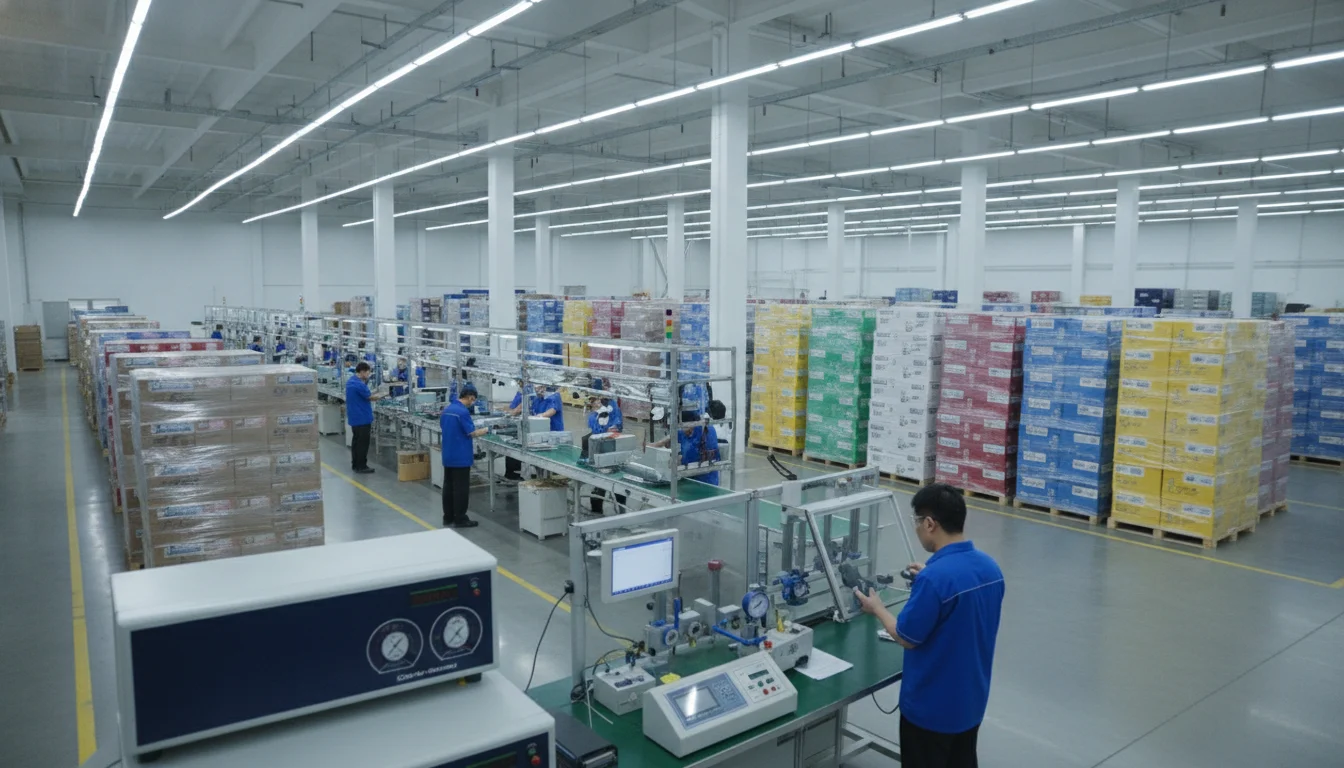
Building a private label cleaning tool brand in 2026 demands more than slapping a logo on generic products. Distributors and facility-management buyers expect glass-thickness compatibility data, anti-drop safety documentation, and replacement-part programs before they commit to purchase orders. how to build private label cleaning tool brand 2026, from choosing a factory partner to launching your first SKU with professional buyers.
📋 Table of Contents
- Executive Summary
- Define Your Target Buyer and Channel Before Sourcing
- Choose a Core Product Platform with Proven Engineering
- Evaluate Factory Capability Beyond Price Lists
- Customize Branding Assets for B2B Credibility
- Negotiate MOQ, Lead Time, and Payment Terms
- Secure Market-Specific Compliance and Certification
- Build an Aftermarket Parts and Service Plan
- Structure Distributor Margins and Territory Rights
- Key Takeaways
- FAQ
Executive Summary
- Glass-thickness range: Products rated for 5-35mm glass cover single, double, and triple-pane windows, the widest compatibility range available from ISO9001-certified factories.
- MOQ flexibility: Factory-direct OEM programs start at 100 units for initial orders, enabling smaller distributors to test regional demand without overstock risk.
- Compliance baseline: CE marking and RoHS compliance are mandatory for cleaning equipment sold in the EU, with each hazardous substance restricted to below 0.1% by weight.
- Production capacity: Established Taizhou facilities operate at 50,000+ units per day, shipping from Ningbo port to 60+ countries with lead times of 15-25 days to major ports.
- Aftermarket revenue: Replacement pads, squeegee blades, and safety ropes represent recurring revenue streams that professional buyers expect when evaluating private label suppliers.
Define Your Target Buyer and Channel Before Sourcing
Magnetic window cleaner specifications vary dramatically between retail consumers and professional facility-management buyers. Defining your target channel shapes every downstream decision, from magnet strength to packaging language.
Retail vs. Professional Buyer Requirements
Retail buyers prioritize ease of use and safety features for single-family homes with standard double-pane glass. Professional buyers need multi-thickness compatibility, replacement-part availability, and bulk pricing structures. A distributor supplying facility-management firms requires documentation proving compatibility with 18-35mm triple-pane glass common in commercial high-rises, while a hardware wholesaler serving homeowners focuses on 12-20mm double-pane specs.
Channel-Specific Margin Expectations
Hardware wholesalers typically work on 25-35% gross margins and expect net-30 payment terms. Facility-management procurement teams issue tenders with detailed spec requirements and often demand 90-day payment windows. Window-cleaning contractors buying direct expect trade pricing at 40-50% below retail but order smaller quantities with faster replenishment cycles.
Geographic Market Localization Needs
German distributors require instruction manuals in German with metric measurements and CE marking prominently displayed. Australian buyers expect AS/NZS compliance references even when not legally mandatory. North American wholesalers prefer bilingual English-Spanish packaging for cross-border distribution. Each market adds localization cost, so selecting 2-3 priority geographies before finalizing packaging design prevents expensive reprints.
Choose a Core Product Platform with Proven Engineering
Generic magnetic window cleaners flood Alibaba with identical designs and inconsistent quality. Professional buyers quickly identify weak magnets, poor squeegee materials, and unsafe rope attachments. Selecting a proven product platform with documented glass-thickness testing eliminates the most common buyer complaints.
Magnet Strength and Glass Thickness Compatibility
Buyers frequently complain that cheap magnetic window cleaners are weak on thicker glass, making the outside pad slip or fail to clean properly on double-glazed windows. A 6-stage adjustable magnetic force system allows one product to handle 5-35mm glass by rotating a dial to increase or decrease magnetic pull. Fixed-magnet designs require separate SKUs for single-pane, double-pane, and triple-pane applications, complicating inventory management for distributors.
Testing documentation showing pull force at different thickness settings builds buyer confidence and reduces product returns.
Squeegee and Wiper Material Quality
Users often report streaking, poor edge cleaning, or water leakage around the cleaning pad, which makes the product look low quality compared with professional tools. Microfiber pads with density above 300 GSM absorb more cleaning solution and reduce streaking. Silicone squeegee blades rated for 5,000+ strokes maintain edge contact pressure longer than cheap rubber alternatives.
Safety Rope and Anti-Drop Features
A common frustration is that some magnetic cleaners feel unsafe or difficult to control, especially when the magnet is too strong to separate easily or the unit can twist during use. Anti-drop safety ropes with 10kg+ tensile strength prevent expensive exterior-pad falls during high-rise cleaning. Swivel-joint designs allow the interior handle to rotate without twisting the magnet alignment, reducing user fatigue and improving control on vertical surfaces.
Evaluate Factory Capability Beyond Price Lists
Price-per-unit quotes tell you nothing about production consistency, quality-control systems, or export documentation capability. Factory evaluation must cover certifications, production capacity, and existing B2B customer references.
ISO9001 and Export Compliance Verification
ISO9001 certification verifies that a factory maintains documented quality-management processes, from incoming material inspection to final product testing. Request the certificate number and verify it through the issuing body’s online registry. Factories shipping to 60+ countries demonstrate export-documentation competence, customs-clearance experience, and multi-market compliance knowledge that new exporters lack.
Production Capacity and Lead-Time Reliability
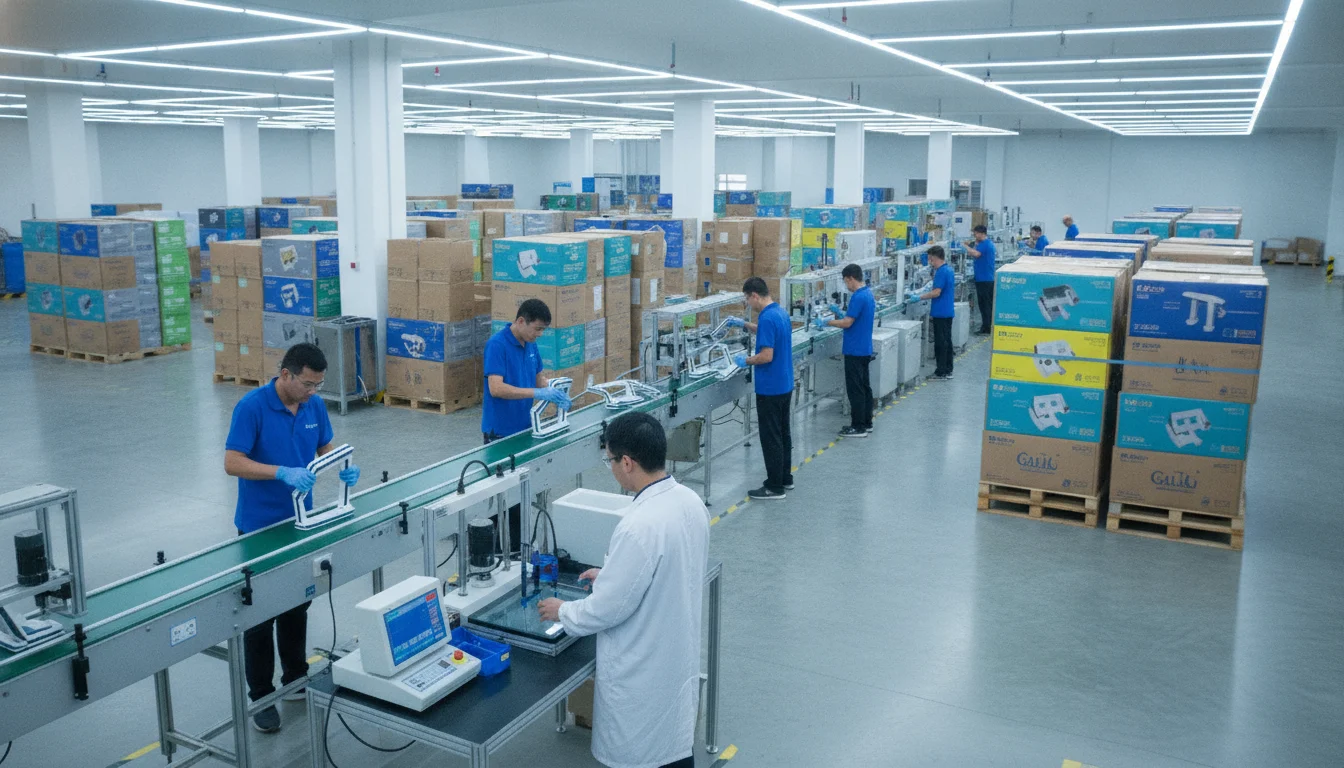
A 6,500 m² facility with 60+ skilled workers producing 50,000+ units per day can absorb seasonal demand spikes without extending lead times. Smaller workshops operating at near-full capacity push your order back when larger clients place rush orders. Ask for monthly production volume, current capacity utilization, and typical lead time during peak season (September-November for North American and European holiday inventory builds).
Sampling Process and Tooling Costs
OEM sampling should include your logo, packaging mockup, and instruction manual in final production materials. Others include tooling in the per-unit price but require higher MOQs. Clarify tooling ownership: if you pay separately, you own the molds and can move production to another factory if needed.
In practice: A UK distributor reduced product returns from 8% to under 2% after switching to a factory with documented glass-thickness testing and 6-stage adjustable-force magnetic systems
Customize Branding Assets for B2B Credibility
Private label branding extends beyond logo placement. Professional buyers evaluate packaging quality, instruction-manual clarity, and warranty documentation as signals of supplier reliability.
Logo Placement and Print Quality
Pad-printed logos on plastic handles withstand 2,000+ cleaning cycles without fading. Sticker labels peel off after 50-100 uses, creating a cheap appearance. UV-resistant ink prevents sun exposure from bleaching logos on products stored in warehouse windows. Request a logo-placement diagram showing print location, size in millimeters, and Pantone color codes to ensure consistency across production batches.
Packaging Design for Shelf Appeal and Protection
Color-printed boxes with product photos, feature callouts, and glass-thickness compatibility charts help distributors educate retail staff and end users. Corrugated cardboard with 200 GSM+ thickness protects products during ocean freight and warehouse handling. Inner trays or foam inserts prevent magnet-to-magnet contact that can demagnetize units during long-term storage.
Instruction Manuals and Warranty Cards
Multi-language instruction manuals (English, German, French, Spanish minimum) reduce customer-support calls and product returns. Step-by-step diagrams showing glass-thickness measurement, magnetic-force adjustment, and safety-rope attachment address the most common user errors. Warranty cards with serial numbers, purchase-date fields, and factory contact information build buyer confidence and enable defect tracking.
Negotiate MOQ, Lead Time, and Payment Terms
Minimum order quantities, production lead times, and payment structures determine cash-flow requirements and inventory risk. Understanding how to build private label cleaning tool brand 2026 means balancing upfront investment against market-testing flexibility.
MOQ Structures for Initial vs. Repeat Orders
Factory-direct OEM programs typically start at 100-500 units for first orders, allowing distributors to test regional demand without overstock risk. Repeat orders often drop to 50-100 unit minimums once tooling is paid. Mixed-SKU orders (combining different glass-thickness models or color variants) may require 200+ units total with 50+ per SKU to justify production-line changeovers.
Production Lead Time and Seasonal Peaks
Standard production runs take 15-25 days from deposit to ready-for-shipment, plus 20-35 days ocean freight to major North American and European ports. Chinese New Year (late January to mid-February) and Golden Week (early October) add 10-15 days to lead times. Distributors building inventory for spring cleaning season (March-May peak in Northern Hemisphere) should place orders by December to avoid production backlogs.
Payment Terms and Deposit Structures
New buyers typically pay 30% deposit on order confirmation, 70% balance before shipment. Established buyers with 3+ successful orders may negotiate net-30 or net-60 terms, though most factories require letters of credit for payment windows beyond 45 days. Deposit payments trigger tooling production and material procurement, so confirm all logo files, packaging designs, and instruction-manual text before transferring funds.
Secure Market-Specific Compliance and Certification
CE marking, RoHS compliance, and market-specific safety standards are non-negotiable for professional buyers. Missing certifications block customs clearance, trigger retailer rejections, and expose you to liability claims.
EU CE Marking and RoHS Compliance
CE marking is mandatory for cleaning equipment sold in the EU, covering electrical safety, electromagnetic compatibility, and restricted substances. RoHS limits lead, mercury, cadmium, hexavalent chromium, and certain flame retardants to below 0.1% by weight. Factories should provide a Declaration of Conformity document listing applicable EU directives and test reports from accredited labs. Request RoHS test reports for all plastic and metal components, not just the finished product.
North American Market Requirements
The United States and Canada do not require pre-market certification for non-powered magnetic window cleaners, but California Proposition 65 warnings apply if products contain lead, phthalates, or other listed chemicals above threshold levels. Request material safety data sheets (MSDS) for all components to determine Prop 65 applicability. Bilingual English-French labeling is legally required for products sold in Canada.
Australia and Middle East Certifications
Australia does not mandate specific certifications for non-powered cleaning tools, but buyers often request AS/NZS compliance statements for liability protection. Middle Eastern markets increasingly require GCC standardization marks for consumer products, though enforcement varies by country. Confirm destination-market requirements with your freight forwarder or customs broker before finalizing packaging and labeling.
Build an Aftermarket Parts and Service Plan
B2B buyers want spare pads, replacement blades, and manuals, but many private label products ship without a reliable after-sales parts program. Establishing a parts inventory and service process before launch prevents distributor frustration and builds recurring revenue.
Identify High-Wear Components
Microfiber cleaning pads wear out after 200-300 cleaning cycles and require replacement every 3-6 months for professional users. Squeegee blades degrade from UV exposure and cleaning-solution contact, needing replacement every 6-12 months. Safety ropes fray from repeated use and should be inspected every 50 cycles, replaced annually. Stock these three components at 10-15% of initial unit sales volume to cover first-year replacement demand.
Pricing and Packaging for Replacement Parts
Replacement pads typically retail at 15-20% of the complete unit price, with distributor cost at 8-12%. Multi-packs (3-pack or 5-pack) improve per-unit margins and reduce reorder frequency. Package replacement parts in clear poly bags with product-compatibility labels (model number, glass-thickness range) to prevent buyer confusion when multiple SKUs exist.
Service Documentation and Troubleshooting Guides
Downloadable PDF troubleshooting guides covering common issues (weak magnetic grip, streaking, rope fraying) reduce customer-support calls and build buyer confidence. Video tutorials showing pad replacement, squeegee-blade installation, and magnetic-force adjustment improve user satisfaction and reduce product returns. Host these resources on your website with SKU-specific URLs that distributors can share with their customers.
In practice: A Canadian facility-management buyer reduced total cost of ownership 22% by establishing a quarterly replacement-pad subscription with their private label supplier
Structure Distributor Margins and Territory Rights
Distributor agreements define pricing tiers, territory exclusivity, and channel-conflict policies. Clear margin structures and territory boundaries prevent disputes and align incentives between you and your distribution partners.
Tiered Pricing Based on Volume Commitments
Volume-based pricing rewards larger orders while allowing smaller distributors to enter at accessible minimums. A typical structure offers standard pricing at 100-499 units, 5-8% discount at 500-999 units, and 10-15% discount at 1,000+ units per order. Annual volume commitments (minimum 2,000-5,000 units per year) unlock additional 3-5% rebates paid quarterly, encouraging distributors to forecast demand and maintain inventory.
Territory Exclusivity and Performance Requirements
Exclusive territory rights (country-level or regional) prevent channel conflict but require minimum annual purchase commitments to justify blocking other potential buyers. Non-exclusive agreements allow multiple distributors per market, suitable when testing new geographies or selling through different channels (hardware wholesale vs. facility-management direct). Performance clauses tie exclusivity renewal to achieving annual sales targets, preventing distributors from blocking territories without active selling.
Online Sales and Channel Conflict Management
Amazon and direct-to-consumer sales can undercut distributor pricing and damage relationships. Establish minimum advertised price (MAP) policies requiring all resellers to advertise at or above a specified price, protecting distributor margins while allowing promotional flexibility. Restrict or prohibit factory-direct online sales in territories with exclusive distributors, or tier online pricing 10-15% above distributor wholesale to maintain channel separation.
- Standard tier (100-499 units): Base factory-direct pricing with 30-day payment terms and standard lead time.
- Volume tier (500-999 units): 5-8% discount, net-45 payment terms, priority production scheduling during peak season.
- Partner tier (1,000+ units or annual commitment): 10-15% discount plus 3-5% annual rebate, net-60 terms, co-branded marketing materials, exclusive territory option.
Key Takeaways
- Magnetic window cleaners rated for 5-35mm glass thickness cover single, double, and triple-pane applications, eliminating the need for separate SKUs and simplifying distributor inventory management.
- ISO9001 certification verifies documented quality-management processes from material inspection to final testing, a baseline requirement for professional B2B buyers evaluating factory partners.
- CE marking and RoHS compliance are mandatory for cleaning equipment sold in the EU, with RoHS restricting hazardous substances to below 0.1% by weight in all components.
- Factory-direct OEM programs start at 100-unit MOQs for initial orders, enabling smaller distributors to test regional demand without overstock risk before scaling to larger production runs.
- Replacement pads, squeegee blades, and safety ropes represent recurring revenue streams, with professional users replacing pads every 200-300 cleaning cycles and blades every 6-12 months.
- Volume-based pricing structures offering 5-15% discounts at 500+ unit orders align distributor incentives with your production efficiency while maintaining accessible entry points for new partners.
FAQ
How do I start a private label cleaning brand?
Start by defining your target buyer channel (distributors, wholesalers, facility management, or contractors) and their specific requirements for glass-thickness compatibility, certifications, and aftermarket support. Select a factory partner with ISO9001 certification, documented production capacity above 10,000 units per day, and existing export experience to 20+ countries. Negotiate MOQ starting at 100-500 units, customize branding assets including logo placement and multi-language manuals, and secure market-specific compliance (CE/RoHS for EU, bilingual labeling for Canada). Establish replacement-parts inventory and distributor margin structures before launch to prevent channel conflict and service gaps.
How much money do I need to start a private label brand?
Initial investment for a private label cleaning tool brand ranges from $3,000 to $15,000 depending on MOQ, customization depth, and market-entry scope. A 500-unit launch with multi-language manuals, custom packaging, compliance testing, and replacement-parts inventory requires $10,000-15,000. Budget 30% for product and tooling, 25% for shipping and duties, 20% for compliance and testing, 15% for initial parts inventory, and 10% for marketing materials and samples. Factory-direct sourcing eliminates trading-company markups, reducing per-unit costs 20-30% compared to Alibaba intermediaries.
How do I find a private label manufacturer for cleaning tools?
Identify manufacturers in Taizhou, Zhejiang, China, the primary production hub for magnetic window cleaners, with ISO9001 certification and Alibaba Gold Supplier status verified through 100+ completed orders. Request factory-tour videos showing production lines, quality-control stations, and finished-goods warehouses to verify claimed capacity. Ask for customer references from your target markets (Germany, USA, UK, Australia) and contact them to confirm lead-time reliability, defect rates, and after-sales responsiveness. Evaluate 3-5 factories on glass-thickness testing documentation, magnet-strength specifications (neodymium grades), and willingness to provide pre-production samples with your branding at cost before committing to full production orders.
What is the difference between private label and white label?
Private label products are manufactured to your specifications with your branding, including custom packaging, instruction manuals, and warranty cards, giving you control over product positioning and pricing. White label products are pre-manufactured generic items that you rebrand with your logo, typically with minimal customization limited to sticker labels or basic packaging inserts. Private label allows you to specify magnet strength, glass-thickness range, squeegee materials, and safety features, building differentiation and brand equity. White label offers faster time-to-market and lower MOQs (often 20-50 units) but limits your ability to address specific buyer requirements or stand out from competitors selling identical products under different names.
How do I create a private label product step by step?
Step one: define your target buyer channel and their glass-thickness, certification, and service requirements through direct interviews or distributor consultations. Step two: select a factory partner with ISO9001 certification, production capacity above your 12-month forecast, and export experience to your target markets. Step three: customize product specifications (magnet strength, pad materials, safety features) and branding assets (logo placement, packaging design, instruction manuals). Step four: negotiate MOQ, payment terms, and lead time, then request pre-production samples with final branding for buyer testing. Step five: secure market-specific compliance (CE/RoHS for EU, Prop 65 assessment for California, bilingual labeling for Canada) and arrange replacement-parts inventory. Step six: structure distributor pricing tiers and territory agreements before accepting your first production run.
Professional buyers in 2026 evaluate private label cleaning tool suppliers on engineering documentation, compliance depth, and aftermarket support, not just unit price. Fonoran operates a 6,500 m² facility in Taizhou producing magnetic window cleaners rated for 5-35mm glass with 6-stage adjustable force, shipping 50,000+ units daily to distributors in 60+ countries. Request a private label consultation including glass-thickness testing documentation, compliance certificates, and replacement-parts pricing to build your brand on proven factory-direct engineering.
Written by the Fonoran Export Team.