White Label Magnetic Glass Wiper Manufacturer (2026 Guide)
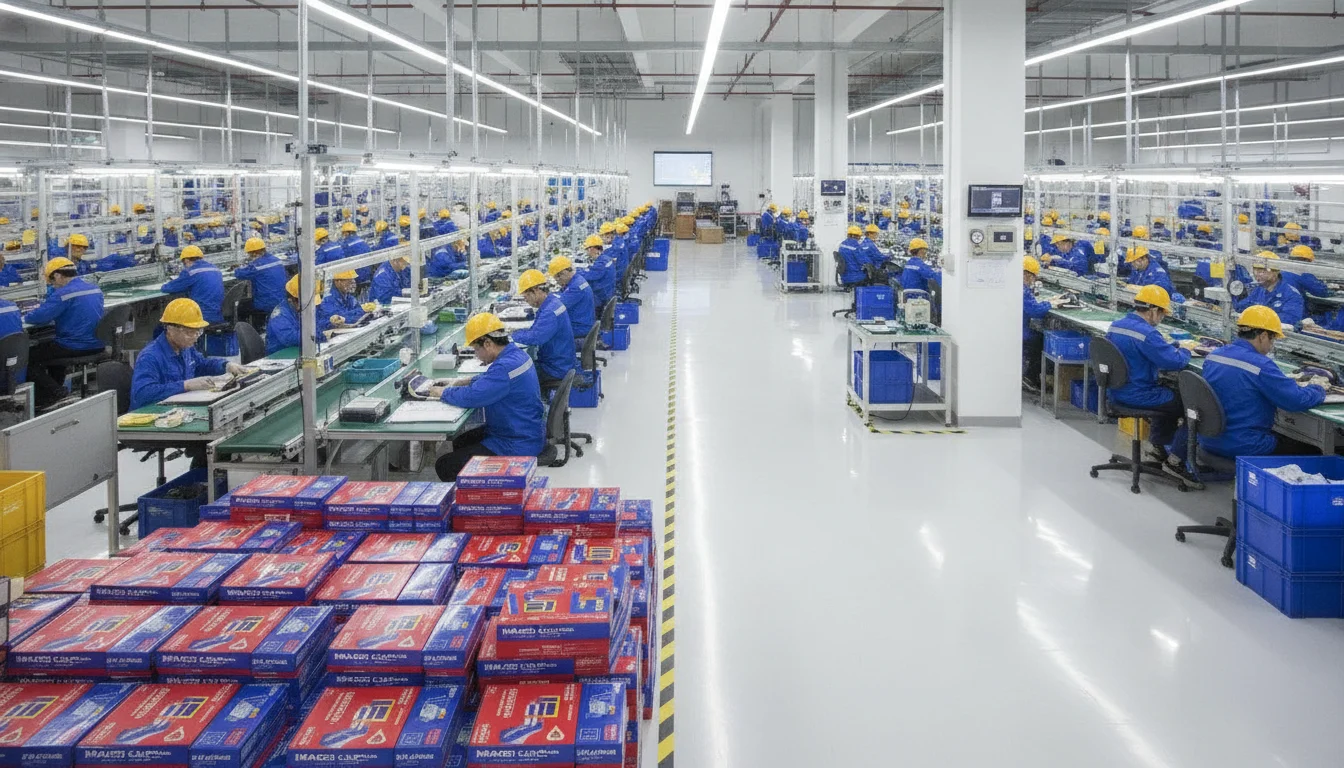
A white label magnetic glass wiper manufacturer enables distributors and hardware wholesalers to sell magnetic window cleaners under their own brand without investing in production infrastructure. Fonoran operates a 6,500 m² facility in Taizhou, Zhejiang, offering MOQs from 2 units with full OEM/ODM customization including logo printing, packaging design, and adjustable magnetic force calibration for 5-35mm glass thickness.
📋 Table of Contents
Executive Summary
- White label scope: Factory applies your brand to magnetic window cleaners during production, covering logo printing, custom packaging, and instruction manuals in your language.
- Adjustable magnetic force: Six-stage calibration matches single-pane and double-glazed glass from 5mm to 35mm without cracking thin glass or losing grip on thick glazing.
- Entry barrier: MOQs start at 100 units per SKU, enabling regional distributors to test new markets without warehouse overstock risk.
- Compliance documentation: CE and RoHS certificates ship with every container, meeting EU and North American retail and facility-management procurement standards.
- Production capacity: Daily output exceeds 50,000 units across 60+ workers, ensuring consistent supply for seasonal demand spikes in spring and autumn window-cleaning periods.
What Defines a White Label Partnership?
White label manufacturing means the factory produces finished magnetic glass wipers and applies your brand identity before shipment. You own the customer relationship and pricing strategy; the manufacturer handles production, quality control, and compliance testing. This differs from private label, where you specify design changes, and from OEM, where you provide complete technical drawings.
Brand Application Points
Factories apply your branding at three stages:
- Product surface: Logo pad-printing or laser engraving on the handle, visible during use and in retail displays.
- Retail packaging: Custom color boxes with your brand graphics, barcodes, and compliance marks printed on 350gsm coated paperboard.
- Instruction materials: Multi-language user manuals and safety warnings translated into your target market languages, printed on 80gsm offset paper.
Ownership and Exclusivity Terms
Most white label contracts grant non-exclusive rights, meaning the factory can sell identical products under other brands. Exclusive territory agreements require higher MOQs, typically 500+ units per order, and annual volume commitments. Buyers in competitive markets like Germany and the UK often negotiate category exclusivity within a postal-code range rather than nationwide exclusivity, balancing protection with realistic order volumes.
What Customization Options Matter Most?
White label magnetic glass wiper manufacturers offer three tiers of customization. Basic tier covers logo and packaging. Standard tier adds magnetic force calibration. Premium tier includes mold modification for handle ergonomics and cleaning-pad material selection.
Magnetic Force Calibration
Buyers report two recurring problems with fixed-strength magnetic cleaners. Units rated for double glazing crack single-pane glass in older buildings. Conversely, single-pane models slide off when used on modern thick double-glazed windows. Fonoran’s 6-stage adjustable mechanism lets end users dial magnetic pull from 8N to 28N, covering 5-35mm glass thickness without product returns.
Adjustable range: 5-35mm glass thickness with 6-stage magnetic force control. Compatibility: Single-pane and double-glazed windows.
Cleaning-Pad Material Selection
Standard pads use microfiber with 200 GSM density, effective for residential window cleaning. Commercial facility buyers request 300 GSM pads for high-rise glass with mineral deposits from hard water. Some distributors specify separate pad SKUs: softer pads for shower glass to avoid scratching, firmer pads for exterior facade cleaning. White label manufacturers stock three densities and let you choose per order.
MOQ and Lead Time Expectations
Minimum order quantities balance tooling costs against inventory risk. A white label magnetic glass wiper manufacturer amortizes logo printing plates and packaging dies across the first production run. Smaller MOQs mean higher per-unit setup costs; larger MOQs reduce unit cost but increase your working capital lock-up.
MOQ Structure by Customization Level
- Logo-only orders: 100 units per color or model variant, because pad-printing plates cost $45-60 and run 500+ impressions before replacement.
- Magnetic calibration: 300 units, since adjusting spring tension and testing each unit adds 90 seconds per piece to assembly time.
Production and Shipping Timeline
Lead time splits into four phases. Sample approval takes 5-7 days after you submit logo artwork and Pantone color codes. Production runs 12-18 days for MOQs under 500 units, 18-25 days for 500-2,000 units. Quality inspection adds 2 days. Sea freight from Ningbo port to Los Angeles takes 14-16 days, to Hamburg 28-32 days, to Sydney 18-22 days.
In practice: A hardware distributor in Texas ordered 300 units with custom packaging in February, received samples by day 6, approved production, and had containers at their Dallas warehouse 38 days after PO signature
Certification Requirements for Target Markets
Retail chains and facility-management procurement departments require compliance certificates before listing new suppliers. CE marking covers the EU and UK. RoHS restricts hazardous substances in electronics and applies to magnetic components. North American buyers increasingly request California Prop 65 compliance for retail distribution.
EU and UK Market Entry
CE marking confirms the product meets Low Voltage Directive 2014/35/EU and General Product Safety Directive 2001/95/EC. Magnetic window cleaners fall under general product safety because they contact building exteriors and pose fall risk if magnets fail. RoHS Directive 2011/65/EU limits lead, mercury, cadmium, and hexavalent chromium to below 0.1% by weight in plastic housings and metal components. Factories provide test reports from SGS or TÜV labs showing compliance.
North American Compliance
The U.S. Consumer Product Safety Commission does not mandate pre-market certification for manual cleaning tools, but California Prop 65 requires warning labels if the product contains chemicals known to cause cancer or reproductive harm. Neodymium magnets sometimes contain trace nickel, triggering Prop 65 labeling. White label partners provide Prop 65-compliant packaging inserts to avoid retailer rejections.
Australia and New Zealand Standards
The Australian Competition and Consumer Commission enforces mandatory safety standards under the Competition and Consumer Act 2010. Magnetic window cleaners must include safety-strap attachment points and user instructions warning against use above ground-floor height without fall protection. Fonoran ships products with wrist-strap anchors and bilingual English-Mandarin safety cards that distributors localize.
How Do You Verify Factory Quality Before Ordering?
Distributor buyers report three verification steps that catch quality issues before full production. Factory audits reveal capacity mismatches. Pre-production samples test actual output quality. Third-party inspections during production prevent last-minute defects from shipping.
Factory Audit Checklist
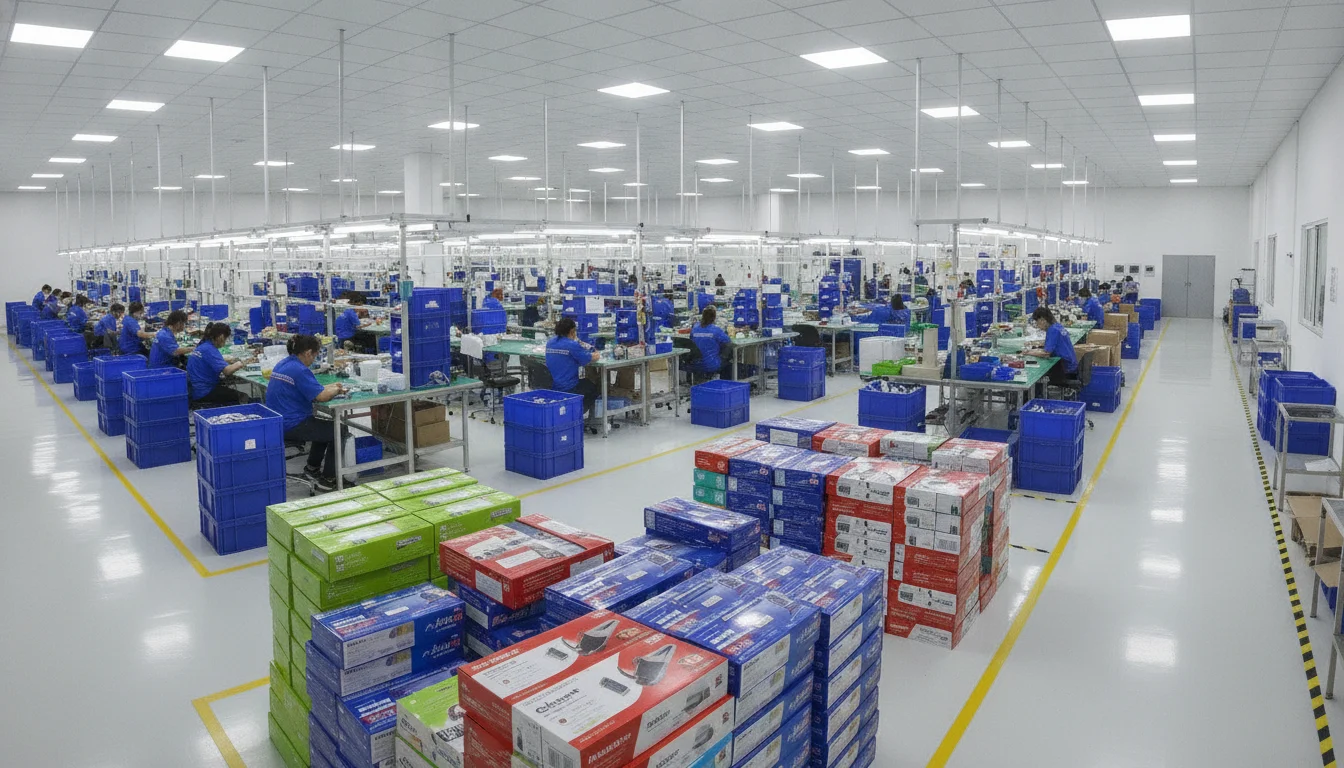
Visit the production floor or hire an inspection agency to verify claims. Check for dedicated assembly lines versus shared equipment that slows changeovers. Count workers on shift and compare to stated capacity to sanity-check whether the claimed daily output is realistically achievable with the equipment and staffing described. Inspect raw-material storage for organized inventory versus chaotic piles that signal cash-flow problems and delayed orders.
Pre-Production Sample Protocol
Request three samples: one with your logo applied, one in final packaging, one disassembled to inspect internal components. Test magnetic pull with a spring scale at 10mm, 20mm, and 30mm glass spacing. Verify that cleaning pads do not shed fibers after 50 wipes on soapy glass. Check that packaging withstands a 1-meter drop test without crushing, protecting the product during LTL freight handling.
During-Production Inspection
Third-party inspectors visit the factory when 80% of your order is complete, pull random samples from finished goods, and test against your approved sample. They check logo print clarity, measure magnetic force variance across units, and verify carton labeling matches your shipping marks. Inspection costs $280-350 per day and catches defects while the factory can still rework units, avoiding costly post-shipment claims.
In practice: A UK wholesaler discovered misaligned logo printing during 80% inspection, factory corrected 240 affected units within 3 days without delaying shipment
Key Takeaways
- White label partnerships let distributors brand magnetic glass wipers without production investment, with MOQs starting at 2 units for logo-only customization.
- Six-stage adjustable magnetic force prevents the two most common buyer complaints: cracking thin glass with over-strong magnets and losing grip on thick double glazing.
- CE and RoHS compliance certificates are mandatory for EU market entry, covering Low Voltage Directive and hazardous-substance restrictions below 0.1% by weight.
- Pre-production samples and during-production inspections catch quality defects while the factory can still rework units, protecting your brand reputation and avoiding post-shipment claims.
- Lead times from sample approval to port delivery range from 32 days for basic logo orders to 65 days for custom mold modifications, including 14-32 days sea freight depending on destination.
- Cleaning-pad density selection matters for end-use applications: 200 GSM microfiber for residential windows, 300 GSM for commercial high-rise glass with mineral deposits.
FAQ
Can I order mixed SKUs in one container to meet MOQ?
Yes, most white label magnetic glass wiper manufacturers accept mixed SKUs as long as total units meet the minimum threshold. For example, you can combine 150 units of a 5-12mm model with 150 units of a 15-25mm model to reach a 300-unit MOQ for custom packaging.
What happens if magnetic force weakens after repeated use?
Neodymium magnets lose approximately 1% of their strength per decade under normal use, but cheaper ferrite magnets degrade faster, especially when exposed to heat above 60°C. Buyers report that budget magnetic cleaners left in direct sunlight on window sills lose grip within six months. Request magnet grade specifications in your contract and test samples by leaving them in a 50°C oven for 48 hours, then measuring pull force to ensure less than 5% degradation.
How do I handle warranty claims for white label products?
White label agreements typically include a defect-replacement clause covering manufacturing faults within 12 months of production date. The factory ships replacement units at no charge if defect rates exceed 2% of the order quantity, but you pay freight for returns and replacements. Distributors reduce claim costs by negotiating a 3-5% over-shipment allowance, giving you spare units to swap locally without international shipping delays. Document every claim with photos and serial numbers, as factories reject vague complaints. Some manufacturers offer a 1% credit against your next order for each verified defect, incentivizing quality without cash refunds.
Selecting a white label magnetic glass wiper manufacturer requires balancing customization flexibility against MOQ constraints and verifying compliance documentation for your target markets. Fonoran’s 6,500 m² facility in Taizhou produces 50,000+ units daily with 6-stage adjustable magnetic force covering 5-35mm glass, CE and RoHS certified, and MOQs from 2 units. Our magnetic window cleaner product range includes models for single-pane and double-glazed glass, with full OEM/ODM support for logo printing, custom packaging, and magnetic calibration. We ship from Ningbo port to 60+ countries with lead times from 32 days for basic orders to 65 days for mold modifications. Third-party inspections during production catch defects before shipment, protecting your brand and reducing post-delivery claims.
Ready to launch your branded magnetic window cleaner line with a factory-direct partner?
Request White Label Quote →
Written by the Fonoran Export Team.
Keep reading: OEM, ODM and private label
A side-by-side comparison of the three routes, with the questions buyers ask before they decide.