ODM Custom Design Magnetic Glass Cleaner China: Factory vs Trading Company (2026)
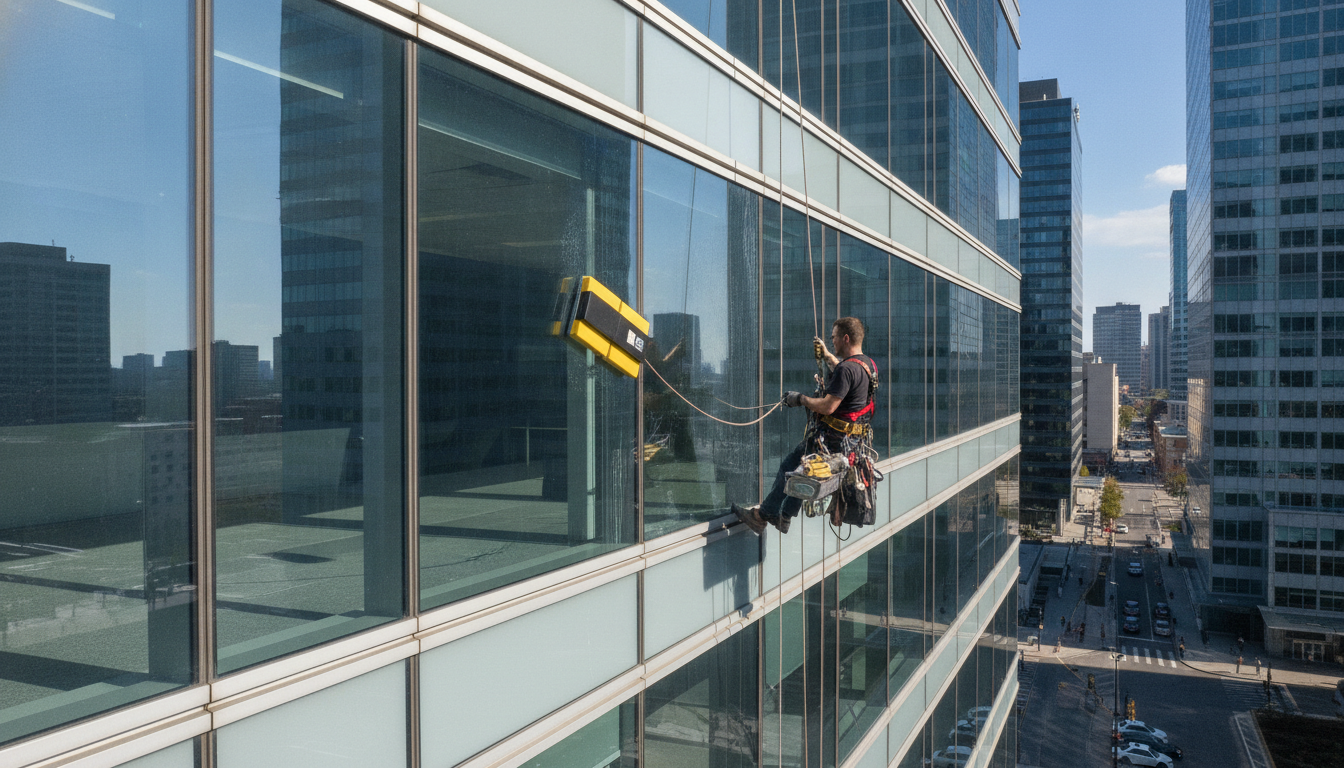
Sourcing odm custom design magnetic glass cleaner china involves a critical choice: work with a factory-direct manufacturer or a trading company intermediary. For B2B distributors and facility-management buyers, this decision affects unit cost, lead time, product customization depth, and after-sales support. Importers frequently discover that trading companies mark up factory prices by 20-30%, offer limited technical input on magnet strength vs glass thickness, and lack direct control over production schedules. Factory-direct ODM partnerships, by contrast, provide access to engineering teams, flexible MOQ from 100 units, and the ability to adjust magnetic force across 6 stages to match single, double, or triple-pane glass from 5-35mm thickness.
Key Takeaways
- Factory-direct ODM pricing for magnetic window cleaners typically runs 20-30% below trading-company quotes due to elimination of intermediary margins.
- ISO9001 certification and CE/RoHS compliance are baseline requirements for magnetic cleaning equipment entering EU and North American markets.
- Adjustable magnetic force systems address the most common buyer complaint: wrong magnet strength causing glass cracking on thin panes or inadequate grip on thick double glazing.
- Production facilities in Taizhou, Zhejiang ship from Ningbo port, with sea freight to Los Angeles averaging 18-22 days and air freight 5-7 days.
- ODM customization spans magnet strength calibration, housing material selection, safety-strap reinforcement, and private-label packaging design.
- Minimum order quantities from Chinese factories range from 100 units for standard models to 500 units for fully custom tooling and mold development.
Factory-Direct vs Trading Company: Cost and Control Comparison
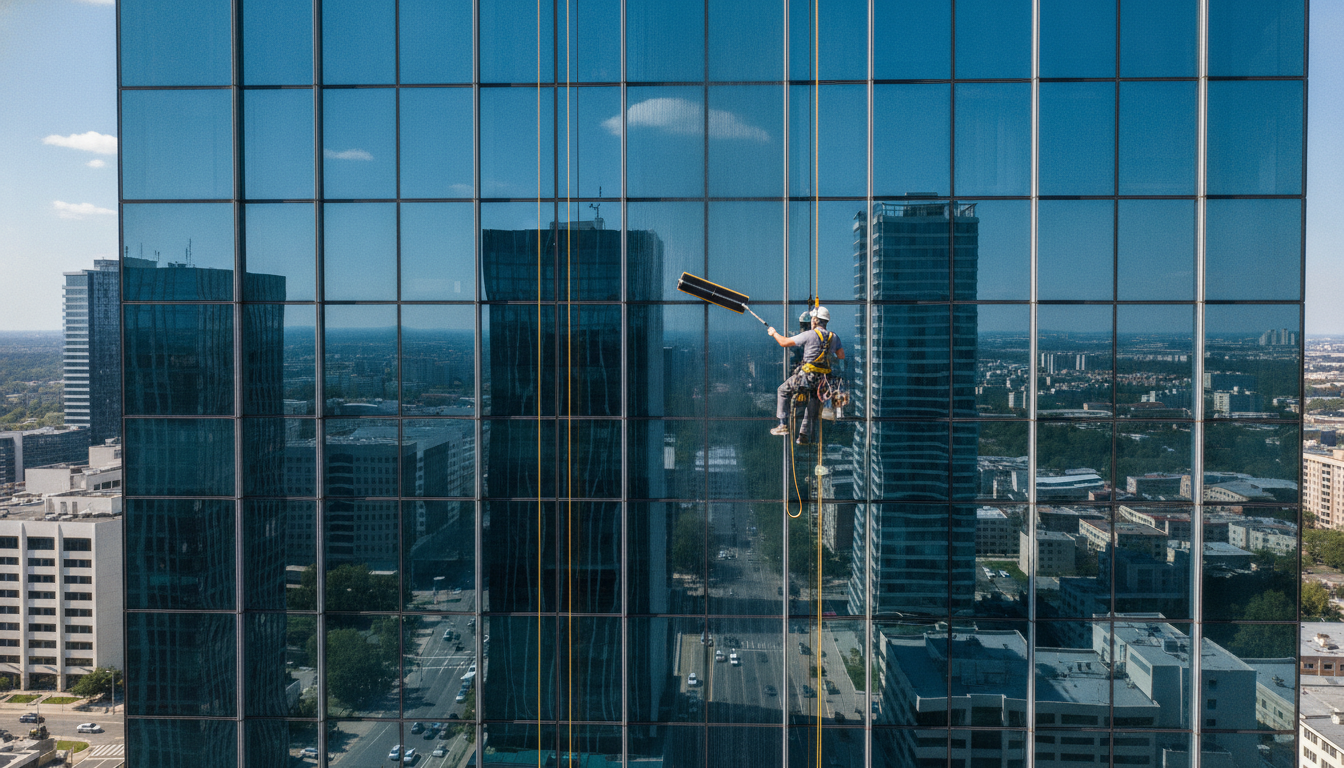
The choice between factory-direct and trading-company sourcing for odm custom design magnetic glass cleaner china fundamentally shapes your margin structure and product development capability. Trading companies aggregate orders from multiple buyers, negotiate bulk rates with factories, then resell with markup. Factories, especially those with export licenses and English-speaking sales teams, engage buyers directly.
Our 12,000 m² Taizhou facility ships 50,000+ units per day to 60+ countries, giving magnetic window cleaner product range buyers direct access to production scheduling and quality-control checkpoints. Trading companies lack this visibility, and when defects arise, resolution loops through two parties instead of one.
In practice: A UK hardware distributor reduced per-unit cost from $7.20 to $5.10 by switching from a Guangzhou trading company to our Taizhou factory, reinvesting the 29% margin gain into expanded SKU range
ODM Customization Scope for Magnetic Glass Cleaners
ODM (Original Design Manufacturer) partnerships allow buyers to modify an existing factory design without funding entirely new tooling. For magnetic window cleaners, customization depth depends on whether you accept the base mechanical design or require structural changes.
Surface-Level Customization (100-500 unit MOQ)
- Housing color and finish: ABS plastic injection molding supports Pantone color matching and matte, gloss, or soft-touch finishes without new molds.
- Logo placement: Pad printing, laser engraving, or molded-in logos on the outer cleaning pad housing and handle grip.
- Packaging design: Custom color-box printing, insert cards, and poly-bag branding with your distributor identity.
- Safety-strap length: Standard 2-meter nylon strap can extend to 3 meters or shorten to 1.5 meters based on high-rise vs residential use case.
Structural Customization (500-1000 unit MOQ)
- Magnet grade selection: N35, N42, or N52 neodymium magnets alter holding force; our 6-stage adjustable system uses N52 for the 5-35mm glass thickness range, but single-strength models can use lower grades to hit specific price points.
- Cleaning-pad material: Microfiber density (200-400 GSM), scrubbing-edge hardness (soft for coated glass, firm for mineral deposits), and replaceable-pad snap systems.
- Handle ergonomics: Grip diameter, rubberized vs bare plastic, and angled vs straight handle orientation for different user hand sizes.
- Internal magnet housing: Sealed vs vented designs affect water ingress risk; high-rise models benefit from IP54-rated sealing to prevent rust after years of outdoor exposure.
Full Tooling Development (1000+ unit MOQ)
New injection molds cost $3,000-$8,000 depending on cavity count and surface detail. Buyers funding tooling own the mold and gain exclusive rights to the design. Development cycle runs 25-35 days from CAD approval to first production samples. This path suits distributors launching proprietary SKUs under private-label magnetic window cleaner programs with multi-year purchase commitments.
Importers frequently request magnet-strength adjustments to address real buyer pain: cleaners rated for double-glazed windows (typically 15-20mm) crack single-pane glass under excessive magnetic pull, while single-pane models (5-12mm rating) fall off double-glazed surfaces mid-stroke. Our adjustable-force design eliminates this mismatch by letting end users dial magnetic strength across 6 detents, covering 5-35mm glass in one SKU.
Compliance and Certification Requirements for Target Markets
Regulatory requirements for odm custom design magnetic glass cleaner china vary by destination market. Magnetic cleaning tools fall under general product safety directives rather than specialized equipment categories, but material restrictions and marking obligations still apply.
European Union and United Kingdom
- CE marking: Mandatory for consumer and commercial cleaning equipment. Covers Low Voltage Directive (if motorized), General Product Safety Directive, and electromagnetic compatibility where applicable. Our CE/ISO certified magnetic window cleaner models carry CE marking based on third-party testing reports.
- RoHS compliance: Restricts lead, mercury, cadmium, hexavalent chromium, and brominated flame retardants to below 0.1% by weight in plastic and metal components. Neodymium magnets and ABS housing must both meet RoHS limits.
- REACH registration: If you import more than 1 ton per year of a given material, REACH pre-registration applies. Most distributors stay below this threshold or rely on the factory’s EU-based importer of record.
- UKCA marking: Post-Brexit, the UK requires UKCA marking parallel to CE for Great Britain market (England, Scotland, Wales). Northern Ireland still accepts CE. Transition periods have ended; both marks are now mandatory for respective territories.
United States and Canada
- CPSC compliance: The Consumer Product Safety Commission regulates magnet strength in children’s products (ASTM F963), but adult-use window cleaners fall outside this scope. However, if marketing targets households with children, ensure magnets cannot detach and meet the 5mm diameter exclusion.
- California Prop 65: If the product contains lead, cadmium, phthalates, or other listed chemicals above safe-harbor levels, packaging must carry a warning label. RoHS-compliant materials typically avoid Prop 65 triggers.
- FTC country-of-origin marking: “Made in China” must appear on the product or packaging in a conspicuous location. Removable stickers do not satisfy the requirement.
- Canada SOR/2011-17 (Toys Regulations): Similar to CPSC, applies only if the product is marketed to children under 14. Adult cleaning tools are exempt.
Australia and New Zealand
- ACL (Australian Consumer Law) compliance: General product-safety provisions require goods to be fit for purpose and free from defects. No pre-market certification, but importers bear liability for safety failures.
- Magnet safety standards: AS/NZS ISO 8124-1 applies to toys; adult tools are unregulated, but voluntary adherence to ISO 8124 magnet-strength limits reduces liability exposure.
- Country-of-origin labeling: Must state “Made in China” or “Product of China” on packaging under Competition and Consumer Act 2010.
Factory-direct suppliers with ISO9001 certification maintain document packages (test reports, material declarations, production-process flowcharts) that streamline customs clearance and retailer onboarding. Trading companies often require 2-3 weeks to retrieve these documents from upstream factories, delaying time-to-market.
Procurement Checklist: MOQ, Lead Time, and Sample Policy
Structured procurement reduces surprises during order execution. The following checklist covers the commercial terms B2B buyers negotiate when sourcing odm custom design magnetic glass cleaner china from factories.
Minimum Order Quantity (MOQ)
MOQ varies by customization level and production-line economics. Standard models with existing molds and no logo customization start at 100 units. Color or packaging changes raise MOQ to 300-500 units to justify setup time. New tooling for proprietary designs requires 1,000-2,000 units to amortize mold cost. Buyers testing a new market often split the difference: order 500 units of a lightly customized model (logo only), then commit to 2,000-unit orders with full ODM changes once sell-through proves demand.
Production and Shipping Lead Time
- Standard in-stock models: 3-5 days to prepare and ship from warehouse inventory.
- Custom logo or packaging: 12-18 days from deposit to ex-factory, including 3-5 days for artwork approval and plate-making.
- ODM structural changes: 20-28 days for sample production, buyer approval, and bulk manufacturing.
- New tooling: 35-45 days for mold fabrication, first-article inspection, and production ramp-up.
- Sea freight to US West Coast: 18-22 days from Ningbo to Los Angeles/Long Beach; add 7-10 days for East Coast ports.
- Air freight: 5-7 days door-to-door, but freight cost rises 4-6x vs ocean.
Sample Policy and Costs
Factories typically provide 1-3 free samples of existing models; buyer pays courier freight (DHL/FedEx runs $35-$60 for 2 kg to North America). Custom samples with logo or color changes cost $15-$40 per unit, refundable against bulk orders above MOQ. Full ODM samples with structural modifications are charged at 2-3x regular unit price and take 10-15 days to produce. Request samples in the exact glass-thickness range you intend to target: a cleaner optimized for 18-24mm double glazing behaves differently on 8mm single pane or 28mm triple pane.
Payment Terms
- First-time orders: 30% deposit via wire transfer (T/T), 70% balance before shipment. Some factories accept PayPal or Alibaba Trade Assurance for orders under $5,000.
- Repeat orders: After 2-3 successful shipments, negotiate 30% deposit, 60% against copy of bill of lading, 10% net-30 days after delivery.
- Letter of Credit (L/C): Accepted by larger factories for orders above $20,000, but adds $300-$800 in bank fees and extends lead time by 5-7 days for document preparation.
Quality Inspection and Defect Handling
Specify AQL (Acceptable Quality Level) standards in the purchase order. AQL 2.5 for critical defects (magnet detachment, housing cracks) and AQL 4.0 for minor defects (cosmetic scratches, packaging dents) are industry norms. Third-party inspection services (SGS, Bureau Veritas, TUV) charge $250-$400 per man-day and catch issues before shipment. Defect claims after delivery are difficult to resolve without photographic evidence and batch-code traceability; negotiate a 1-2% replacement allowance in the contract to cover in-transit damage and end-user returns.
In practice: An Australian facility-management firm specified AQL 1.5 for magnet-holding force after a prior shipment from a trading company included 8% of units with weakened magnets that failed on 20mm glass, resulting in a full-batch replacement and 6-week project delay
Matching Magnet Strength to Glass Thickness: Technical Specifications
The most frequent technical failure in magnetic window cleaners stems from mismatched magnet strength and glass thickness. Buyers report that fixed-strength models either crack thin glass or slide off thick double glazing mid-stroke, saved only by the safety lanyard.
Glass Thickness Categories and Magnetic Force Requirements
Fixed-strength cleaners force buyers to stock multiple SKUs. Our 6-stage adjustable-force system uses a rotating dial that varies the air gap between magnet and glass contact surface, effectively tuning pull force from 5 kg (stage 1, for 5-8mm glass) to 28 kg (stage 6, for 30-35mm glass). This consolidates inventory and eliminates the wrong-model selection error.
Magnet Degradation and Lifespan
Neodymium magnets lose approximately 1% of magnetic strength per decade under normal use, but exposure to heat above 80°C or repeated impact shocks accelerates degradation. Buyers have raised concerns about cheap models using recycled or low-grade magnets that weaken within 6-12 months, causing the outer unit to slip during vertical strokes. Specify virgin N42 or N52 neodymium in the purchase order and request a magnet-strength test report (measured in Gauss at 10mm distance) as part of the pre-shipment inspection.
Safety-Strap Specifications
The safety strap prevents the outer cleaning unit from falling if magnetic grip fails. Standard 2-meter nylon straps rated for 15 kg tensile strength are adequate for residential use, but high-rise applications require 3-meter straps rated to 30 kg. Strap attachment points should use stainless-steel rivets, not plastic clips, to avoid UV degradation and brittle failure after prolonged sun exposure on building facades.
After-Sales Support and Export Logistics
Post-purchase support separates reliable factory partners from transactional suppliers. Distributors and wholesale magnetic window cleaner buyers need spare parts, warranty handling, and carton optimization for retail-ready delivery.
Spare Parts and Replacement Components
- Microfiber cleaning pads: Wear out after 80-120 cleaning cycles; offer replacement pads at $0.60-$1.20 per pair to generate recurring revenue.
- Safety straps: UV exposure degrades nylon over 18-24 months in outdoor high-rise use; replacement straps cost $0.40-$0.80 each.
- Magnet modules: Rarely fail, but impacts can crack the magnet housing; replacement modules run $2.50-$4.00 depending on magnet grade.
- Handle grips: Rubberized grips wear smooth after extended use; replacements cost $0.30-$0.60 each.
Factories offering pre-packaged spare-parts kits (10 pad sets + 5 straps in a poly bag) simplify distributor inventory management and improve end-user satisfaction. Trading companies rarely stock spare parts, forcing buyers to reorder minimum quantities or source from alternative suppliers, which fragments brand consistency.
Carton Optimization for Retail and E-Commerce
Standard export cartons hold 20-30 units in bulk packaging, unsuitable for retail shelf display. Request retail-ready packaging options:
- Shelf-ready trays: Perforated master cartons that convert into display trays by tearing off the top panel; adds $0.15-$0.25 per unit but eliminates store labor.
- E-commerce-optimized boxes: Individual color boxes sized to fit Amazon FBA and standard parcel dimensions (under 18x14x8 inches to avoid oversize fees); adds $0.20-$0.40 per unit.
- Multi-language instruction inserts: Include English, German, French, and Spanish quick-start guides in the same carton to serve multiple markets without SKU proliferation; printing cost is $0.05-$0.10 per insert.
Distributor Margin Planning
Factory-direct pricing enables healthy margin stacking. A typical margin structure for odm custom design magnetic glass cleaner china in North American distribution:
- Factory FOB cost: $5.50 per unit (5,000-unit order, light customization)
- Freight and duties: $0.80 per unit (sea freight to Los Angeles, 6.5% tariff)
- Landed cost: $6.30 per unit
- Distributor wholesale price to retailers: $11.50 per unit (82% markup)
- Retailer shelf price: $22.99 per unit (100% markup)
Trading-company pricing at $7.20 FOB compresses distributor margin to 60%, reducing ability to fund marketing, carry inventory risk, or offer promotional pricing. Factory-direct sourcing preserves margin flexibility and supports brand-building investment.
Warranty and Return Handling
Standard factory warranties cover manufacturing defects for 12 months from production date (not sale date). Specify in the contract whether the factory will ship replacement units at no charge (buyer pays freight) or issue credit notes against future orders. For high-value shipments, negotiate a 2% defect allowance: the factory ships 102 units when you order 100, covering in-transit damage and early failures without claim paperwork. This approach reduces administrative friction and keeps retail pipelines full during peak seasons.
FAQ
What is an ODM magnetic glass cleaner?
An ODM (Original Design Manufacturer) magnetic glass cleaner is a factory-produced window-cleaning tool that buyers customize with their own branding, packaging, and minor design modifications without funding entirely new tooling. The factory owns the base design and molds, allowing lower MOQ (100-500 units) and faster time-to-market compared to OEM (Original Equipment Manufacturer) projects that require proprietary tooling and design ownership. ODM customization for magnetic cleaners typically includes logo placement, housing color, magnet-strength selection, and packaging design.
How do I choose a magnetic glass cleaner manufacturer in China?
Prioritize factories with ISO9001 certification, CE and RoHS compliance documentation, and direct export experience to your target market. Verify production capacity (ask for daily output figures and workforce size), request samples in your specific glass-thickness range, and confirm MOQ, lead time, and payment terms in writing. Check Alibaba Gold Supplier status or third-party audit reports (SGS, Bureau Veritas) to validate factory legitimacy. Avoid trading companies that cannot provide factory-floor photos or direct engineer contact for technical questions about magnet strength and material specifications.
What is the difference between OEM and ODM for magnetic window cleaners?
OEM (Original Equipment Manufacturer) means the buyer provides complete product specifications and owns the tooling and design; the factory manufactures to buyer blueprints. ODM (Original Design Manufacturer) means the factory owns the base design and tooling; the buyer customizes an existing model with branding and minor changes. OEM requires higher MOQ (1,000-5,000 units) and tooling investment ($3,000-$8,000), but delivers exclusive designs. ODM offers lower MOQ (100-500 units) and faster launch (12-18 days vs 35-45 days), but the factory can sell similar models to other buyers.
Are magnetic glass cleaners safe for double-glazed windows?
Magnetic glass cleaners are safe for double-glazed windows when the magnet strength matches the glass thickness. Double-glazed units typically range from 15-28mm total thickness; use N42 or N52 neodymium magnets rated for this range. Excessive magnet force on thin single-pane glass (5-8mm) can crack the pane, while insufficient force on thick double glazing (22-28mm) causes the outer unit to slide off during vertical strokes. Adjustable-force models with 6-stage magnetic tuning eliminate this mismatch by letting users dial the appropriate strength for their specific glass type.
What certifications are needed to import magnetic glass cleaners into the EU or UK?
CE marking is mandatory for magnetic glass cleaners sold in the EU, covering the General Product Safety Directive and RoHS (Restriction of Hazardous Substances) compliance. RoHS limits lead, mercury, cadmium, and other restricted materials to below 0.1% by weight. The UK requires UKCA marking for Great Britain (England, Scotland, Wales) post-Brexit, while Northern Ireland still accepts CE. Importers must maintain a technical file with test reports, material declarations, and production-process documentation. REACH registration applies if you import more than 1 ton per year of a specific material, though most distributors stay below this threshold.
Sourcing odm custom design magnetic glass cleaner china through factory-direct partnerships delivers cost efficiency, technical control, and faster response times compared to trading-company intermediaries. Buyers gain access to engineering teams, flexible MOQ, and the ability to customize magnet strength, housing materials, and packaging to match specific market requirements. Verify ISO9001 and CE/RoHS certifications, specify AQL standards in purchase orders, and request samples in your exact glass-thickness range before committing to bulk production. For distributors and facility-management buyers ready to optimize margin structure and product performance, request a detailed product specification sheet and MOQ quote to compare factory-direct pricing against your current supplier rates.
Written by Daniel Chen, Product Engineer at Fonoran, 12 years in magnetic window-cleaner design.