How to Customize Packaging for Amazon FBA Window Cleaners (2026)
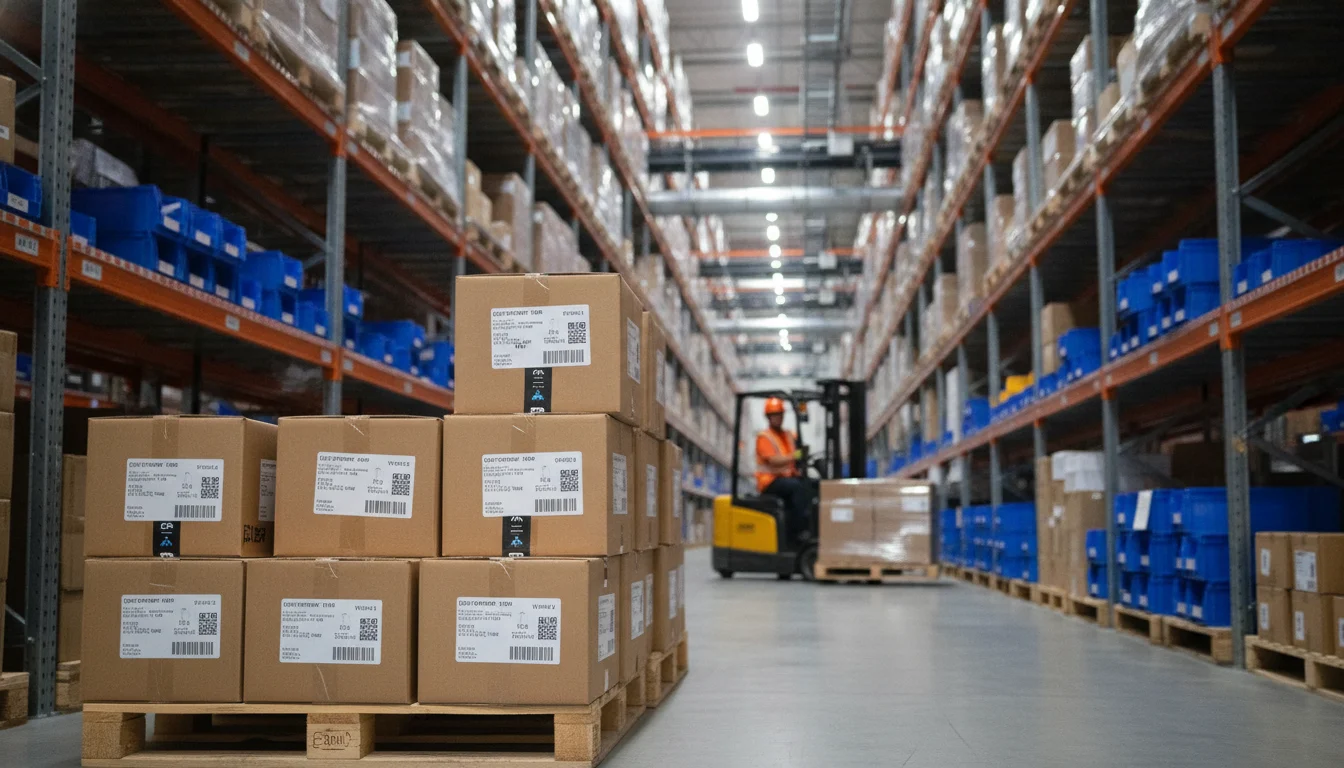
Understanding how to customize packaging for Amazon FBA window cleaners means balancing FBA compliance, protective design, and cost efficiency. Magnetic window cleaners ship with glass-contact surfaces, rare-earth magnets, and accessory bundles that require cushioning, barcode visibility, and drop-test durability. This guide walks through FBA prep requirements, carton engineering, FNSKU application, and branding strategies for distributors, wholesalers, and facility-management buyers sourcing factory-direct from China.
Key Takeaways
- Amazon FBA packaging must pass a 3-foot drop test on all six sides without product damage, requiring double-wall corrugated boxes for magnetic window cleaners with glass-contact pads.
- FNSKU labels must be scannable and placed on each sellable unit; old barcodes must be covered or removed to prevent mis-routing in FBA warehouses.
- Magnetic window cleaners rated for 5-35mm glass thickness require custom foam inserts to prevent magnet-to-magnet contact during transit, which can chip neodymium surfaces.
- Cube utilization optimization reduces Amazon storage fees; a well-designed master carton fitting 12 units instead of 10 cuts per-unit storage cost by approximately 17%.
- Retail-ready packaging with bilingual instructions (English, Spanish, French, German) increases distributor acceptance rates in North America, Europe, and Australia markets.
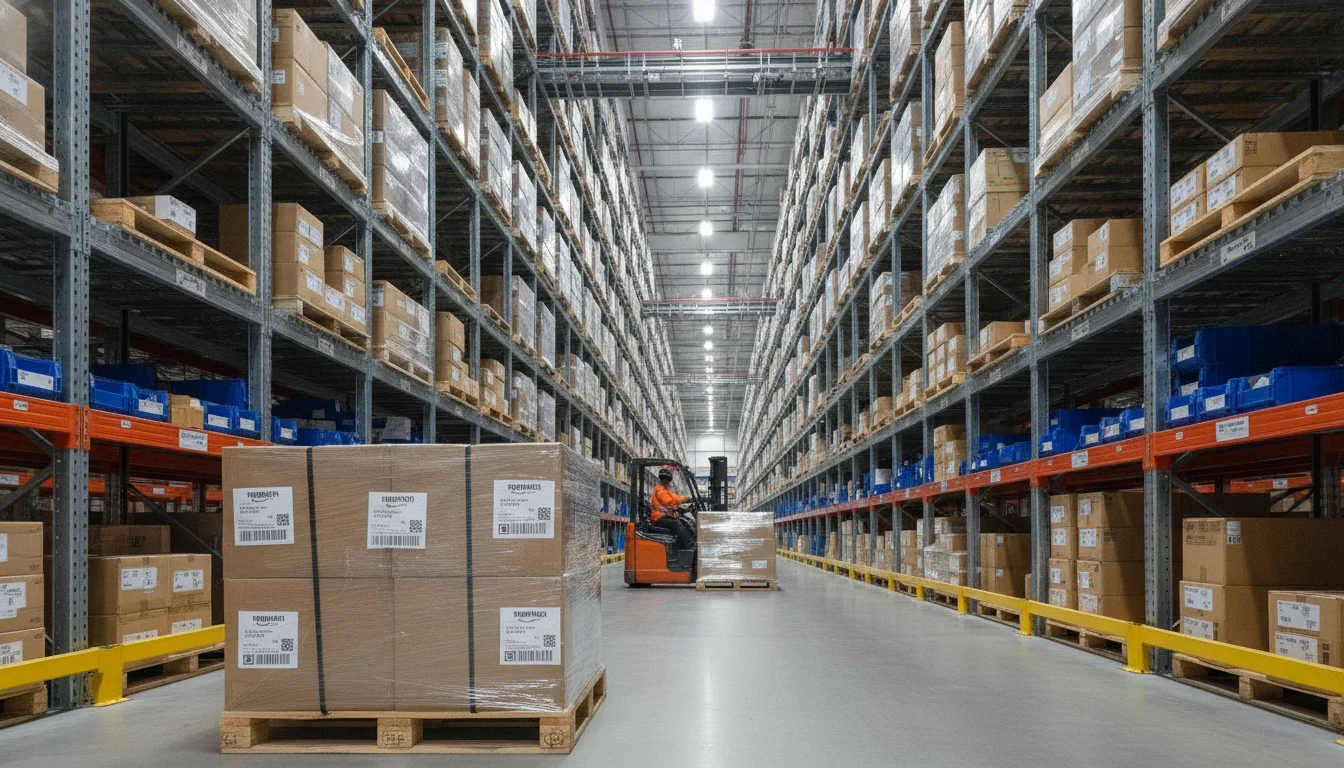
FBA Compliance Basics for Magnetic Window Cleaners
Amazon FBA packaging rules prioritize warehouse automation and damage prevention. Magnetic window cleaners face unique challenges because neodymium magnets generate magnetic fields that can interfere with conveyor sensors, and glass-contact microfiber or felt pads tear if exposed. Your packaging must isolate magnetic components, protect soft surfaces, and display scannable barcodes.
Box Material and Sealing Standards
FBA requires corrugated boxes with a minimum burst strength of 200 pounds per square inch for products weighing over 1 pound. Most double-glass magnetic window cleaners (5-12mm glass range) weigh 1.2-1.8 pounds per unit, so single-wall B-flute corrugated suffices for inner cartons. For master cartons holding 6-12 units, use double-wall BC-flute with edge crush test ratings above 32 ECT. Seal all carton flaps with 2-inch pressure-sensitive tape rated H-grade or higher; Amazon rejects water-activated tape and strapping for standard items.
FNSKU Label Placement and Barcode Coverage
Every sellable unit needs an FNSKU label (Amazon’s unique identifier) on the outside of the retail box, placed on a flat surface at least 1 inch from any edge. If your factory carton already has a UPC or EAN barcode printed, cover it with an opaque label or black marker. Uncovered manufacturer barcodes cause FBA receiving delays because warehouse scanners read the wrong code. For magnetic window cleaner kits with multiple SKUs (single-pane model, double-pane model, triple-pane model), print separate FNSKU labels per variant and apply them at the factory before export to save prep-service fees at Amazon warehouses.
Protective Carton Design for Magnetic Components
Buyers frequently report that magnets lose power over time, and cheap versions arrive underpowered because carton design allowed magnet-to-magnet contact during sea freight. Proper cushioning prevents this failure mode and reduces return rates.
Foam Insert Engineering
Use die-cut EVA foam inserts with individual cavities for each magnetic unit. The cavity depth should exceed the product height by 3-5mm to create compression when the carton closes, preventing lateral movement. For adjustable-force magnetic cleaners with 6-stage dial mechanisms, add a foam pad between the dial and carton wall to prevent accidental rotation. Our 6,500 m² Taizhou factory ships 50,000+ units per day to 60+ countries, and we’ve found that 2mm EVA foam (density 38-42 kg/m³) balances cost and protection for double-glass models, while triple-glass units rated for 25-35mm thickness require 3mm foam due to heavier magnet assemblies.
Accessory Bundling and Separation
Magnetic window cleaner kits often include microfiber cloths, squeegee blades, extension poles, and cleaning solution bottles. Bundle accessories in a separate polybag within the master carton to prevent liquid leakage onto magnetic units. If your kit includes a spray bottle with cleaning concentrate, Amazon classifies it as a liquid and requires the carton to display a “This Side Up” arrow and a liquid icon. Seal bottle caps with shrink bands and place each bottle in a ziplock bag before inserting into the carton.
FNSKU Labeling Workflow at the Factory
For a 1,000-unit shipment, that’s $300-550 in cost avoidance. The workflow requires coordination between your freight forwarder, Amazon Seller Central, and the factory QC team.
Step 1: Generate FNSKU Labels in Seller Central
Log into Amazon Seller Central, navigate to Inventory > Manage FBA Shipments, and create a new shipment plan. Select the ASIN for your magnetic window cleaner, enter the quantity, and choose “Manufacturer barcode” if your product has a registered UPC, or “Amazon barcode” if you need Amazon to generate an FNSKU. Download the label PDF (format: 30 labels per page, 1″ x 2.625″ each). Send this PDF to your factory contact at least 10 business days before the production run completes.
Step 2: Print and Apply at Factory QC Station
Your factory QC team prints labels on adhesive paper using a standard laser printer. Zebra or Brother label printers work better for high-volume runs (500+ units) because they prevent smudging. Workers apply one label per retail box on the largest flat panel, avoiding seams and within 1 inch of edges. For magnetic window cleaners with printed cartons showing the product image, place the FNSKU on the top panel or side panel opposite the main branding to maintain shelf appeal.
Step 3: Cover or Remove Old Barcodes
If your retail carton already has a UPC or EAN printed, the QC team must cover it with an opaque white label or black permanent marker. Transparent tape over the old barcode is insufficient because warehouse scanners can still read through it. Inspect 10% of units randomly to verify barcode coverage before sealing master cartons.
Carton Optimization and Cube Utilization
Amazon charges monthly storage fees based on cubic feet occupied in their warehouses. Optimizing master-carton dimensions to fit more units per cubic foot directly reduces your long-term storage cost and improves profitability for distributors holding inventory in FBA.
Master Carton Dimension Engineering
Standard pallet dimensions in North America are 48″ x 40″. Design master cartons that tile efficiently on this footprint without overhang. For example, a 16″ x 12″ x 10″ master carton allows 10 cartons per pallet layer (5 x 2 arrangement), while a 15″ x 10″ x 9″ carton fits 12 per layer (6 x 2). The smaller carton increases pallet utilization by 20% and reduces per-unit freight cost on LCL shipments from Ningbo to Los Angeles or Miami.
Unit-per-Carton Trade-Off
Packing 12 magnetic window cleaners per master carton instead of 6 cuts per-unit packaging material cost but increases the risk of damage if one unit shifts during transit. The optimal configuration depends on product weight and magnet strength. For single-pane models (5-8mm glass, lighter magnets), 12 units per carton works well with proper foam dividers. For triple-pane models (25-35mm glass, heavy neodymium assemblies), limit to 6 units per carton to stay below the 50-pound handling threshold that triggers team-lift requirements at Amazon warehouses.
Retail-Ready Packaging Strategy for Distributors
Distributors and hardware wholesalers prefer shelf-ready packaging that requires no additional reboxing before placing on retail shelves or listing on their own e-commerce channels. Customizing packaging for Amazon FBA window cleaners should consider both FBA compliance and downstream retail presentation.
Bilingual Instruction Inserts
North American buyers expect English and Spanish instructions. European distributors require English, German, and French for broad EU market coverage. Australian buyers accept English-only but appreciate metric measurements (millimeters for glass thickness, kilograms for product weight). Print instruction sheets on 128gsm glossy paper with step-by-step photos showing the 6-stage adjustable-force dial and safety-strap attachment. Include a troubleshooting section addressing the common pain point where the outer magnetic unit falls off when moved vertically on thicker glass, which happens when buyers select the wrong force setting for their glass type.
Carton Branding and Color Printing
Plain brown corrugated cartons work for FBA-only sellers, but distributors reselling to retail stores need 4-color printed cartons with product photography, feature callouts, and certification logos (CE, RoHS). Our magnetic window cleaner product range includes OEM and private-label options with custom carton printing at MOQ 500 units. Full-color offset printing adds $0.40-0.65 per carton versus plain brown, but distributors report 22-30% higher sell-through rates when the carton doubles as point-of-sale packaging.
Certification Logo Placement
Display CE and RoHS logos on the carton’s back panel or side panel. North American buyers recognize CE as a quality signal even though it’s not legally required in the US. Include the glass-thickness compatibility range (5-35mm) prominently on the front panel because buyers frequently purchase the wrong model for their glazing type. One distributor in Germany reported that adding a simple glass-type selector chart (single-pane / double-pane / triple-pane with corresponding force settings) to the carton reduced customer-service inquiries by 40%.
In practice: A Texas facility-management company reduced product returns by 24% after switching to Fonoran’s 6-stage adjustable-force magnetic window cleaners with bilingual instruction inserts and glass-type selector charts on the retail carton
Hazmat, Liquid, and Accessory-Combination Edge Cases
Magnetic window cleaner kits bundled with cleaning solution, extension poles, or battery-powered spray bottles face additional FBA prep requirements. Understanding how to customize packaging for Amazon FBA window cleaners means anticipating these edge cases during product development.
Liquid Cleaning Solution Compliance
If your kit includes a spray bottle with glass-cleaning concentrate, Amazon requires a Safety Data Sheet (SDS) uploaded to Seller Central before the first shipment. The concentrate must be non-flammable, non-corrosive, and have a pH between 4 and 10 to avoid hazmat classification. Seal bottle caps with heat-shrink bands and place each bottle in a 4-mil ziplock bag. The master carton must display a “This Side Up” arrow and a liquid-contents icon on two adjacent sides. Failure to mark liquid contents results in FBA receiving rejection and return freight charges.
Extension Pole and Oversized-Item Handling
Design telescoping poles that collapse to under 18 inches in their retail packaging to avoid this fee tier. If the pole is non-collapsible, consider offering it as a separate ASIN and letting buyers purchase it alongside the magnetic cleaner, rather than bundling into one SKU.
Battery-Powered Accessory Restrictions
Battery-powered spray bottles or LED work lights bundled with magnetic window cleaners require lithium-battery documentation (UN38.3 test report, MSDS) uploaded to Seller Central. Amazon restricts lithium batteries to air freight only if the battery exceeds 100 watt-hours, which is rare for accessory items but must be verified. Ship battery-included kits via ocean freight to avoid air-freight lithium surcharges, and ensure the factory includes a “Contains Lithium Batteries” label on the master carton.
Cost Engineering for Bulk Export and Carton Optimization
Factory-direct B2B buyers sourcing magnetic window cleaners from Taizhou prioritize landed cost per unit, which includes product cost, packaging, freight, and Amazon prep fees. Engineering packaging to reduce dimensional weight and improve container loading efficiency directly impacts profitability.
Dimensional Weight vs Actual Weight
Freight carriers charge based on the greater of actual weight or dimensional weight (length x width x height in inches / 139 for ocean freight, / 166 for air freight). A poorly designed master carton with excess void space inflates dimensional weight and increases per-unit freight cost. For a 16″ x 12″ x 10″ carton holding 8 magnetic window cleaners, dimensional weight is (16 x 12 x 10) / 139 = 13.8 lbs. If actual weight is 22 lbs, you pay for 22 lbs. If actual weight is 12 lbs, you pay for 13.8 lbs. Minimize void space by custom-sizing foam inserts to product dimensions.
Container Loading Optimization
A 40-foot high-cube container holds approximately 2,700 cubic feet. Standard pallet dimensions (48″ x 40″ x 60″ high) occupy 67 cubic feet each, allowing 40 pallets per container. If your master carton dimensions allow 10 cartons per pallet layer and 12 layers per pallet (120 cartons per pallet), a full container holds 4,800 master cartons. If each carton contains 8 magnetic window cleaners, that’s 38,400 units per container. Improving carton dimensions to fit 12 per layer instead of 10 increases container utilization to 5,760 cartons (46,080 units), a 20% improvement that reduces per-unit ocean freight cost from Ningbo to Los Angeles by approximately $0.08.
Packaging Material Cost Breakdown
Step-by-Step Shipment Prep Workflow in Seller Central
Once packaging is designed and FNSKU labels are applied at the factory, the final step is creating the FBA shipment plan in Seller Central and coordinating with your freight forwarder to deliver cartons to the correct Amazon warehouse.
Create Shipment Plan and Select Destination
Log into Seller Central, navigate to Inventory > Manage FBA Shipments, and click “Create a new shipment plan.” Enter the ASIN and quantity for your magnetic window cleaner. Amazon’s algorithm assigns a destination warehouse based on proximity to demand centers. For sellers targeting the US market, common destinations include ONT8 (San Bernardino, CA), PHX6 (Phoenix, AZ), and IND9 (Plainfield, IN).
Prepare Shipment and Print Box Labels
In the shipment plan, enter the number of master cartons and units per carton. Seller Central generates box labels (FBA shipment labels) that go on the outside of each master carton, separate from the FNSKU labels on individual retail units. Each master carton gets one unique box label with a shipment ID and carton number (e.g., “Shipment FBA15G123456, Box 1 of 24”). Print these labels on adhesive paper and apply to the top and one side of each master carton. Your freight forwarder scans these labels when delivering to the Amazon warehouse.
Coordinate Delivery with Freight Forwarder
Amazon FBA warehouses require appointments for LTL and full-truckload deliveries. Your freight forwarder books the appointment through Amazon’s carrier portal 24-48 hours before delivery. Provide the forwarder with the PRO number (shipment tracking number) and the exact shipment ID from Seller Central. Missed appointments result in refusal of delivery and return freight charges. For ocean freight from Ningbo to US West Coast, typical transit time is 18-22 days port-to-port, plus 3-5 days for customs clearance and drayage to the FBA warehouse.
Multilingual Packaging for Europe, UK, North America, Australia, Middle East, and Southeast Asia
B2B exporters shipping magnetic window cleaners to multiple regions face divergent language, measurement, and certification requirements. Designing one global package rarely works; instead, create regional SKUs with localized packaging to maximize distributor acceptance and end-user satisfaction.
Europe and UK Requirements
The EU requires CE marking and a Declaration of Conformity document included in the retail carton. Instruction sheets must be in the official language of each target country (German for Germany, French for France, Italian for Italy). UK post-Brexit requires UKCA marking for products sold in England, Wales, and Scotland, though CE marking remains accepted through 2025. Display glass thickness in millimeters (not inches) and product weight in kilograms.
North America (US and Canada)
The US has no mandatory certification for magnetic window cleaners, but displaying a CE logo builds buyer confidence. Canada requires bilingual English and French labeling under the Consumer Packaging and Labeling Act for retail products. For B2B shipments sold to distributors, bilingual labeling is not legally required but strongly preferred. Display glass thickness in both inches and millimeters (e.g., “5-12mm / 0.2-0.5 inch”) to accommodate buyer preference.
Australia and New Zealand
Australia requires compliance with the Australian Consumer Law, which mandates clear safety warnings and accurate product descriptions. Magnetic window cleaners must include a warning label stating “Strong magnets: keep away from pacemakers and electronic devices.” New Zealand accepts Australian compliance but prefers metric-only measurements. One Australian wholesaler requested custom packaging with a prominent safety-strap callout on the front panel after receiving customer complaints about the outer unit falling when used on high-rise windows.
Middle East and Southeast Asia
Middle Eastern buyers (UAE, Saudi Arabia, Qatar) require Arabic-language instruction inserts and prefer packaging that emphasizes the product’s ability to clean high-rise glass in extreme heat, where traditional rope-access cleaning is costly. Southeast Asian markets (Singapore, Malaysia, Thailand) accept English-only instructions but prefer simplified English with more diagrams and fewer text blocks. Our CE certified magnetic window cleaner line ships with modular instruction inserts that distributors can swap based on regional requirements, reducing the need to hold separate SKUs for each market.
In practice: A UK distributor increased quarterly order volume from 500 to 1,200 units after Fonoran implemented QR-code multilingual instructions and UKCA marking on retail cartons, eliminating the need for country-specific SKU inventory
Branding and Shelf-Ready Packaging Optimization for Wholesalers
Hardware wholesalers and facility-management procurement teams evaluate packaging based on shelf appeal, ease of handling, and alignment with their brand positioning. Customizing packaging for Amazon FBA window cleaners should balance FBA compliance with retail presentation quality.
Private-Label Packaging Options
Our private-label magnetic window cleaner service allows distributors to apply their own brand name, logo, and color scheme to retail cartons and instruction inserts at MOQ 500 units. Private labeling eliminates brand competition on Amazon and allows distributors to build proprietary SKUs that competitors cannot undercut on price. Typical lead time for custom-printed cartons is 18-22 days after artwork approval, which aligns with standard ocean freight from Ningbo to North American or European ports.
Shelf-Ready Carton Design
Shelf-ready packaging (SRP) features perforated tear-strips that allow retail staff to open the master carton and place it directly on the shelf without removing individual units. SRP is cost-effective for distributors shipping to brick-and-mortar retail chains but unnecessary for FBA-only sellers.
Window Cutouts and Transparent Panels
Retail cartons with die-cut windows or transparent PET panels allow buyers to see the product before opening, which increases conversion rates in physical retail environments. However, transparent panels complicate FBA prep because any printed text or barcodes visible through the window can confuse warehouse scanners. If using window cutouts, ensure the FNSKU label is placed on an opaque panel and that no other scannable codes are visible through the window.
Common FBA Prep Mistakes and How to Avoid Them
Even experienced Amazon sellers make packaging errors that result in FBA receiving rejections, stranded inventory, and unexpected prep-service fees. Learning how to customize packaging for Amazon FBA window cleaners means anticipating these failure modes during product development.
Insufficient Cushioning for Magnetic Components
Magnetic window cleaners with exposed neodymium magnets chip easily during transit. Buyers report that magnets lose power over time when packaging allows magnet-to-magnet contact or impact against carton walls. Use die-cut foam inserts with individual cavities for each unit, and ensure cavity depth creates 3-5mm compression when the carton closes. For adjustable-force models with dial mechanisms, add foam padding between the dial and carton wall to prevent accidental rotation during handling.
Incorrect Box-Weight Distribution
Amazon’s team-lift threshold is 50 pounds. Master cartons exceeding this weight require two warehouse workers to handle, which slows receiving and increases the risk of delivery refusal. For triple-pane magnetic window cleaners (25-35mm glass range) with heavy neodymium assemblies, limit master cartons to 6 units to stay below 50 pounds. Clearly mark carton weight on the box label to help warehouse staff plan handling.
Missing or Incorrect Shipment Labels
Each master carton requires a unique FBA shipment label (not the same as the FNSKU label on individual units). Applying the same shipment label to multiple cartons causes receiving errors because Amazon’s system expects each box number to be unique within the shipment. Print shipment labels directly from Seller Central and verify that each label shows a unique box number (e.g., “Box 3 of 24”) before applying to cartons.
Unmarked Liquid Contents
Magnetic window cleaner kits bundled with spray bottles must display “This Side Up” arrows and liquid-contents icons on the master carton. Failure to mark liquid contents results in FBA receiving rejection and return freight charges of $150-300 per pallet. Even non-hazardous liquids require marking because Amazon warehouse staff cannot visually inspect sealed cartons.
FAQ
How do I package products for Amazon FBA?
Package products for Amazon FBA by using corrugated boxes that pass a 3-foot drop test on all six sides, applying FNSKU labels to each sellable unit, covering or removing old barcodes, and sealing cartons with 2-inch H-grade pressure-sensitive tape. For magnetic window cleaners, add foam inserts to protect neodymium magnets and microfiber pads from impact damage. Print shipment labels from Seller Central and apply one unique label to each master carton.
What are Amazon FBA packaging requirements?
Amazon FBA packaging requirements include corrugated boxes with 200+ PSI burst strength for products over 1 pound, scannable FNSKU labels on flat surfaces at least 1 inch from edges, removal or coverage of all old barcodes, H-grade pressure-sensitive tape on all flaps, and master cartons under 50 pounds to avoid team-lift handling. Liquid-containing products require “This Side Up” arrows and liquid-contents icons on two adjacent carton sides.
Do I need FNSKU labels for FBA?
Yes, FNSKU labels are required for FBA unless you enroll in the manufacturer barcode program and your product has a registered UPC or EAN. FNSKU labels uniquely identify your inventory in Amazon’s multi-client warehouses and prevent commingling with other sellers’ stock. Apply one FNSKU label per sellable unit on the outside of the retail carton, and cover any existing barcodes with opaque labels or black marker to prevent mis-scanning.
What boxes are approved for Amazon FBA?
Amazon FBA approves corrugated cardboard boxes with minimum 200 PSI burst strength for products over 1 pound, and single-wall or double-wall construction depending on product weight. Boxes must have six flat sides with no bulging, be sealed with 2-inch pressure-sensitive tape (not water-activated tape or strapping), and display scannable FNSKU labels. For magnetic window cleaners, use double-wall BC-flute corrugated for master cartons holding 6-12 units to pass drop-test requirements.
How do I prepare fragile items for Amazon FBA?
Prepare fragile items for Amazon FBA by using die-cut foam inserts with individual cavities for each unit, double-wall corrugated cartons with edge crush test ratings above 32 ECT, and corner blocks to absorb impact during the 3-foot drop test. For magnetic window cleaners with neodymium magnets and glass-contact pads, ensure foam cavity depth exceeds product height by 3-5mm to prevent lateral movement. Bundle accessories in separate polybags to prevent scratching of magnetic surfaces.
Mastering how to customize packaging for Amazon FBA window cleaners requires balancing FBA compliance, protective design, cost engineering, and regional localization. Factory-applied FNSKU labels, optimized carton dimensions, and bilingual instruction inserts reduce per-unit costs and improve distributor acceptance rates across North America, Europe, and Australia. For magnetic window cleaners rated for 5-35mm glass with adjustable-force mechanisms, proper foam cushioning and barcode placement prevent the common failure modes that drive negative reviews and product returns.
Ready to source factory-direct magnetic window cleaners with custom FBA-ready packaging?
Request Your Packaging Quote →
Written by the Fonoran Export Team.