Glass Razor Blade Scraper: Safe Use, Techniques & Sourcing Guide
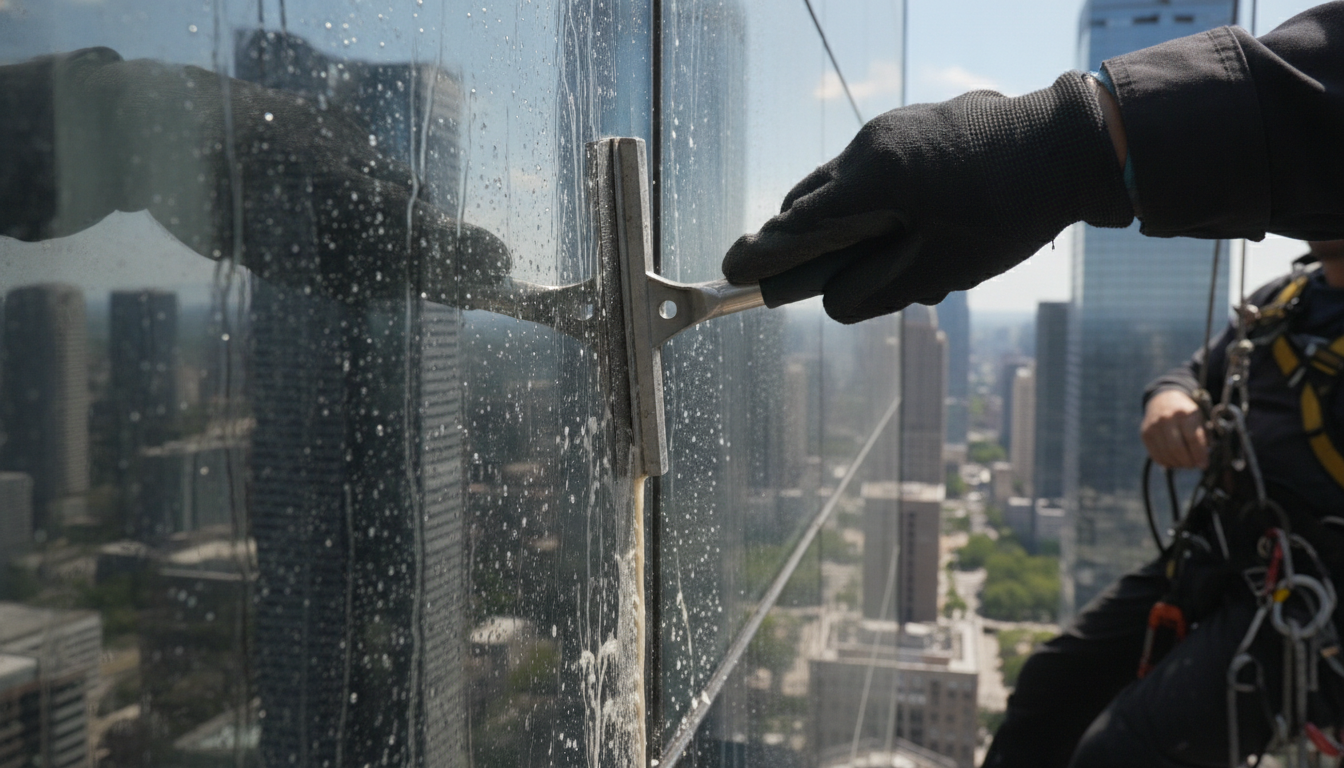
A glass razor blade scraper removes adhesive, paint, stickers, and residue from annealed float glass when held at a shallow angle (15-30 degrees) and kept wet during use. The blade must stay lubricated with water or cleaning solution to prevent micro-scratches, and tempered glass should be avoided entirely because scraping dulls the surface permanently. For B2B buyers sourcing window cleaning tools at scale, magnetic window cleaner product range offers an alternative for routine high-rise cleaning without blade consumption or surface-contact risk.

Key Takeaways
- Razor blade scrapers work safely on annealed float glass but can permanently dull tempered glass surfaces, making surface identification critical before use.
- Proper technique requires continuous lubrication with water or cleaning solution and a blade angle between 15 and 30 degrees to avoid scratching.
- Plastic blades reduce scratch risk but lack the cutting power needed for cured sealant, heavy adhesive, or dried paint on commercial glass facades.
- Blade consumption drives ongoing costs in facility management contracts, where a single high-rise project can require dozens of replacement blades per week.
- For B2B distributors and facility management firms, combining scrapers with magnetic window cleaners addresses both spot-cleaning and routine maintenance without repeated blade replacement.
When Is a Glass Razor Blade Scraper Safe to Use?
A glass razor blade scraper is safe on annealed float glass, the standard material in most residential and commercial windows manufactured before energy-efficiency codes became widespread. Annealed glass cools slowly during production, leaving a uniform surface that tolerates blade contact when properly lubricated. Tempered glass, used in shower doors, vehicle windows, and many modern building facades for safety compliance, undergoes rapid cooling that compresses the surface layer; scraping this compressed surface can cause permanent dulling or micro-fractures that compromise structural integrity.
Surface Identification Before Scraping
Tempered glass typically carries a small etched stamp in one corner reading ‘Tempered’ or showing a certification mark, though stamps wear off or get obscured by frames. When no stamp is visible, the safest approach is to test on an inconspicuous edge: if the blade chatters or the surface shows immediate hazing, stop and switch to a plastic scraper or chemical adhesive remover. Annealed glass accepts blade contact smoothly when wet, with no surface texture change.
Lubrication Requirements
According to Orloff’s, blade scrapers work well only when the surface is properly lubricated; dry scraping increases the risk of micro-scratches even on annealed glass. Water, window cleaning solution, or diluted dish soap creates a film that lets the blade glide and carries away loosened particles. Facility management teams working on high-rise facades often use spray bottles to keep the work area wet continuously, reapplying every 30-60 seconds during heavy adhesive removal.
What Is the Correct Blade Angle and Technique?
Hold the glass razor blade scraper at 15 to 30 degrees to the glass surface, with the blade edge leading and the handle angled away from the direction of travel. Steeper angles concentrate pressure on a smaller contact line and increase scratch risk; shallower angles reduce cutting efficiency and cause the blade to skip over thick residue. The 15-30 degree range balances cutting power with surface safety across most adhesive and paint removal tasks.
Blade Pressure and Stroke Direction
Apply firm, even pressure and push the scraper in one direction rather than back-and-forth sawing motions. Sawing can trap grit particles under the blade and drag them across the glass, creating visible scratches. After each forward stroke, lift the blade, reposition at the starting edge of the remaining residue, and push again. For heavy buildup like cured silicone or dried latex paint, make multiple light passes rather than one forceful scrape.
Blade Condition and Replacement
A dull or chipped blade leaves streaks and requires more pressure, which increases scratch risk. Replace the blade as soon as it stops cutting cleanly or shows visible nicks along the edge. In commercial window restoration projects, contractors often replace blades every 10-15 minutes of continuous use to maintain clean cuts and avoid rework. Bulk buyers stocking facility management kits should calculate blade consumption at roughly one blade per 5-8 square meters of heavy adhesive removal, though this varies widely with residue type and age.
Plastic vs Metal Blade: What Are the Trade-Offs?
Plastic blades eliminate the risk of scratching tempered glass and reduce liability in facility management contracts where glass type is uncertain. However, plastic lacks the hardness needed to cut through cured sealant, dried epoxy, or paint that has bonded to the glass surface for months or years. Some buyers report that plastic blades are too weak for heavy adhesive, cured sealant, or stubborn residue, even if they are safer on glass.
Blade Selection for Facility Management Contracts
Facility management firms serving mixed-glass portfolios often stock both metal and plastic scrapers, training crews to identify glass type on-site and select the appropriate tool. This dual-inventory approach adds SKU complexity but reduces the risk of damage claims. For distributors targeting this segment, bundling metal and plastic scrapers in a single kit with clear usage labels simplifies procurement and reduces buyer hesitation.
What Are the Common Applications in Commercial Cleaning?
Commercial window cleaning contractors use glass razor blade scrapers primarily for post-construction cleanup, removing paint overspray, concrete splatter, and sticker residue from new building facades. Retail storefront maintenance also drives demand, where seasonal decals, promotional tape, and price stickers leave adhesive that standard squeegee cleaning cannot remove. Facility management teams deploy scrapers for graffiti removal, hard-water stain reduction, and restoring glass partitions in office environments.
High-Rise Window Restoration
High-rise projects present unique challenges: workers on rope-access or suspended platforms need tools that work quickly and reliably without requiring multiple passes, because repositioning costs time and labor. A single blade that dulls mid-panel forces the worker to stop, swap the blade, and resume, adding minutes to each window. Contractors bidding on these projects calculate blade consumption as a line item, often specifying premium single-edge blades that hold an edge longer than bargain multi-packs.
Adhesive Removal in Facility Handover
During facility handovers after tenant move-outs, property management teams face glass covered in tape residue, window film adhesive, and decal glue. Chemical removers soften the adhesive but leave a film that still requires mechanical removal. Scrapers paired with citrus-based solvents or isopropyl alcohol speed the process, though the combination requires ventilation and protective gloves. For large portfolios, the recurring cost of blades and solvents makes total cost of ownership a key consideration in tool selection.
How Do Blade Consumption and Replacement Economics Work at Scale?
Blade consumption drives the ongoing cost of glass razor blade scraper use in commercial cleaning. A single-edge razor blade costs between a few cents (bulk industrial packs) and several dollars (retail carded blades), but the real cost emerges in labor time lost to blade changes and the risk of surface damage from continuing with a dull blade. Facility management firms running multi-site contracts often negotiate blade supply agreements with distributors to lock in bulk pricing and ensure consistent availability.
Calculating Blades Per Project
A typical high-rise window restoration project covering 500 square meters of glass might consume 50-100 blades over a week, depending on residue severity and crew technique. Contractors pad estimates by 20-30 percent to account for chipped blades, dropped blades, and early replacements when workers detect dulling. Distributors serving this market should expect orders in cases of 100 or 500 blades rather than individual retail packs, with delivery timed to project start dates.
Blade Waste and Disposal
Used razor blades are sharp waste and require puncture-resistant disposal containers to meet workplace safety regulations. Facility management companies operating across multiple jurisdictions must comply with local sharps-disposal rules, which in some regions classify used blades as regulated waste requiring licensed haulers. This compliance burden adds hidden cost and administrative overhead that some buyers overlook when comparing scrapers to alternative methods like chemical stripping or abrasive pads.
What Should Distributors and Wholesalers Consider When Sourcing Scrapers?
Distributors sourcing glass razor blade scrapers for resale to facility management firms and cleaning contractors should prioritize handle ergonomics, blade retention mechanism, and compatibility with standard single-edge blades. Proprietary blade formats lock buyers into a single supplier and create friction in emergency restocking situations, whereas scrapers accepting industry-standard blades let buyers source replacements from multiple vendors. Handle design matters more than buyers initially expect: poorly balanced scrapers cause hand fatigue during extended use, leading to inconsistent blade angles and increased scratch risk.
Packaging and Private Label Options
Retail-ready clamshell packaging adds cost but simplifies point-of-sale display for hardware wholesalers selling to walk-in trade customers. Bulk packs in plain cartons suit facility management buyers ordering by the case for internal distribution to site teams. Private label opportunities exist for distributors building their own cleaning-tool brands, though minimum order quantities for custom packaging typically start at several hundred units. Our 6,500 m² Taizhou factory ships from Ningbo port and accepts private label orders from 500 units, though scrapers are not part of our core magnetic window cleaner line.
Compliance and Safety Documentation
Buyers should confirm which EU directives apply to their specific accessory model. When the handle contains electronic components (rare) or when buyers specify restricted-substance documentation as a blanket procurement requirement. Distributors serving government facility management contracts should verify that suppliers can provide material safety data sheets and country-of-origin declarations on demand, because public-sector RFPs often require these documents at bid submission.
How Do Magnetic Window Cleaners Complement Scraper Use?
Magnetic window cleaners handle routine maintenance cleaning on high-rise and hard-to-reach glass without requiring blade contact or consumable replacement. A magnetic system with adjustable force rated for the glass thickness eliminates the need for rope access or scaffolding on many residential and light-commercial projects, reducing labor cost and safety risk. Scrapers remain necessary for spot treatment of adhesive, paint, and sticker residue, but pairing them with magnetic cleaners in a facility management toolkit reduces the frequency of blade-intensive cleaning.
Glass thickness range: 3-45 mm across four adjustable SKUs. Magnetic force: 6-stage adjustable. MOQ: from 2 units for stock models.
When to Use Each Tool
- Magnetic window cleaner: Weekly or monthly maintenance cleaning on double-glazed facades, high-rise residential towers, and exterior glass where access is difficult. No blade wear, no surface contact risk, reusable across thousands of cleaning cycles.
- Glass razor blade scraper: Spot removal of construction residue, sticker adhesive, paint overspray, and hard-water deposits that squeegee cleaning cannot lift. Consumable blade cost, requires technique training, limited to annealed glass unless using plastic blades.
- Combined approach: Use magnetic cleaners for routine dirt and water-spot removal, reserve scrapers for quarterly deep cleaning or post-construction handover. This minimizes blade consumption while maintaining glass clarity year-round.
Glass Thickness Matching for Magnetic Systems
Single-pane annealed glass in older buildings typically measures 3-8 mm, while modern double-glazed insulated units vary depending on the air gap and pane thickness. Our adjustable magnetic window cleaners cover 3-30 mm, 5-35 mm, 8-40 mm, and 10-45 mm across four SKUs, with 6-stage force adjustment to match the exact glass thickness and prevent the outer unit from dropping during cleaning. Facility management firms managing mixed-age building portfolios need this range to avoid stocking separate tools for each property.
In practice: Magnet strength has to match glass thickness, because a unit tuned for thin single glazing loses its grip across a thick double-glazed pane.
What Does the Procurement Process Look Like for B2B Buyers?
Facility management firms and cleaning contractors typically source glass razor blade scrapers through multi-tier orders: a small initial order to test handle ergonomics and blade compatibility, followed by case quantities once the tool proves effective in field use. Distributors should expect requests for samples or single-unit trials before committing to bulk orders, especially when the buyer is evaluating multiple brands or transitioning from an existing supplier. Lead time, blade availability, and replacement-part sourcing become decision factors equal to unit price in contracts spanning multiple years.
Sample Requests and Field Testing
A cleaning contractor bidding on a post-construction cleanup project will often request one or two scrapers to test on the actual job site before finalizing the tool order. This field trial reveals whether the handle design suits the crew’s grip preference, whether the blade holds an edge through the specific residue type on that project, and whether the scraper works comfortably with the crew’s existing technique. Distributors who ship samples quickly and provide clear return or credit terms gain an advantage in winning the follow-on bulk order.
Payment Terms and Order Cycles
Payment terms and container quantities are confirmed at quotation for factory-direct orders. Facility management buyers operating on net-30 or net-60 payment cycles need suppliers who can accommodate those terms or offer early-payment discounts. Order cycles align with project schedules: a contractor starting a six-month restoration contract might place a single large blade order at project launch, then reorder blades monthly as consumption becomes clear. Distributors serving this segment should track usage rates and proactively offer reorder reminders to reduce stockout risk.
What Quality Checks Should Buyers Perform on Delivery?
Inspect blade sharpness by testing on a scrap piece of annealed glass with a known adhesive residue. A sharp blade should cut cleanly with light pressure at a 20-degree angle, leaving no adhesive film or streaks. Check handle rigidity by applying moderate twisting force; any flex or looseness in the blade mount indicates poor manufacturing tolerances that will worsen with use. Verify that replacement blades fit securely without wobble and that the blade-release mechanism operates smoothly under thumb pressure.
Packaging Integrity and Blade Count
Bulk orders should arrive with blades individually wrapped or sleeved to prevent edge damage during shipping. Count blades on receipt and compare to the packing list, because shortages often go unnoticed until mid-project when a crew opens a new box. Distributors reselling to retail channels should repack bulk quantities into smaller consumer-friendly counts, ensuring each pack includes usage instructions and safety warnings about tempered glass.
Documentation for Compliance Audits
Retain certificates of conformity, material declarations, and country-of-origin statements for any scrapers sold into government or institutional facility management contracts. Public-sector buyers increasingly require restricted-substance compliance even for simple hand tools, and missing documentation can delay payment or disqualify a bid. Our CE-certified magnetic window cleaner line includes third-party test reports and RoHS declarations as standard, though scrapers are not part of that product range.
Frequently Asked Questions
Can you use a glass razor blade scraper on a car windshield?
Car windshields are laminated safety glass, not tempered, so a razor blade scraper can remove stickers and adhesive without scratching when used wet and at a shallow angle. However, windshields often have coatings for rain repellency, UV protection, or heads-up displays that blade scraping can damage. Test on an inconspicuous corner first, and avoid scraping near sensors or camera mounts embedded in the glass. For routine windshield cleaning without coating risk, magnetic window cleaners are not suitable because automotive glass curves and the magnetic field cannot maintain consistent contact.
How do you remove dried paint from glass without scratching?
Soak the dried paint with warm soapy water or a citrus-based paint remover for 5-10 minutes to soften the bond, then use a glass razor blade scraper at 15-20 degrees with continuous lubrication. Make multiple light passes rather than one heavy scrape, and replace the blade as soon as it stops cutting cleanly. For latex or water-based paint, warm water alone often suffices; for oil-based or cured enamel, a solvent may be necessary before scraping. Always keep the glass wet during scraping and wipe away loosened paint particles frequently to prevent them from being dragged under the blade.
What is the difference between a single-edge and double-edge razor blade for glass scraping?
Single-edge blades fit most glass scrapers and provide a safer grip because only one edge is exposed, reducing the risk of accidental cuts during blade changes. Double-edge blades, common in shaving, are thinner and more prone to flexing under pressure, which makes them less effective for heavy adhesive removal and increases the chance of the blade chattering or digging into the glass. Glass scraper manufacturers design their blade holders for single-edge formats, and using a double-edge blade often requires adapters or creates an unstable mount. For commercial cleaning, single-edge blades are the standard and offer better control and longer edge life under sustained pressure.
Need a complete window cleaning solution that combines routine maintenance with spot treatment?
Request a Quote for Magnetic Window Cleaners →
Written by the Fonoran Export Team.