Magnetic Window Cleaner for Facility Management Companies: 2026 Guide
📋 Table of Contents
Facility management buyers evaluating a magnetic window cleaner for facility management companies need more than a consumer-grade gadget. Across multi-story office parks, hospital campuses, and retail portfolios, inconsistent glass thickness and strict safety protocols demand tools engineered for repeatable, professional results. The wrong magnet force can scratch insulated glass units or fail to hold on 25 mm commercial glazing. This guide breaks down procurement criteria, total cost, and factory-direct sourcing to help you make a data-backed decision.
Executive Summary
- Market growth: The global glass cleaner market is projected to reach USD 6.78 billion by 2034, growing at a 7.33% CAGR from 2026 to 2034 (Fortune Business Insights, 2026).
- Glass thickness range: Professional magnetic window cleaners must handle 5 to 35 mm glass to cover single-pane and double-glazed commercial units.
- Compliance burden: Non‑CE‑marked tools can be seized at EU customs; RoHS restricts each hazardous substance to <0.1% by weight.
- MOQ benchmarks: Factory‑direct MOQs typically start at 100 units, with OEM/ODM production reaching similar thresholds for custom branding.
- ROI lever: Switching from rope‑access or lift‑assisted cleaning to magnetic systems can cut per‑window labor time by 30 to 50% on buildings under 6 stories.

Why Magnetic Window Cleaners Are Reshaping Facility Management
Operational Efficiency at Scale
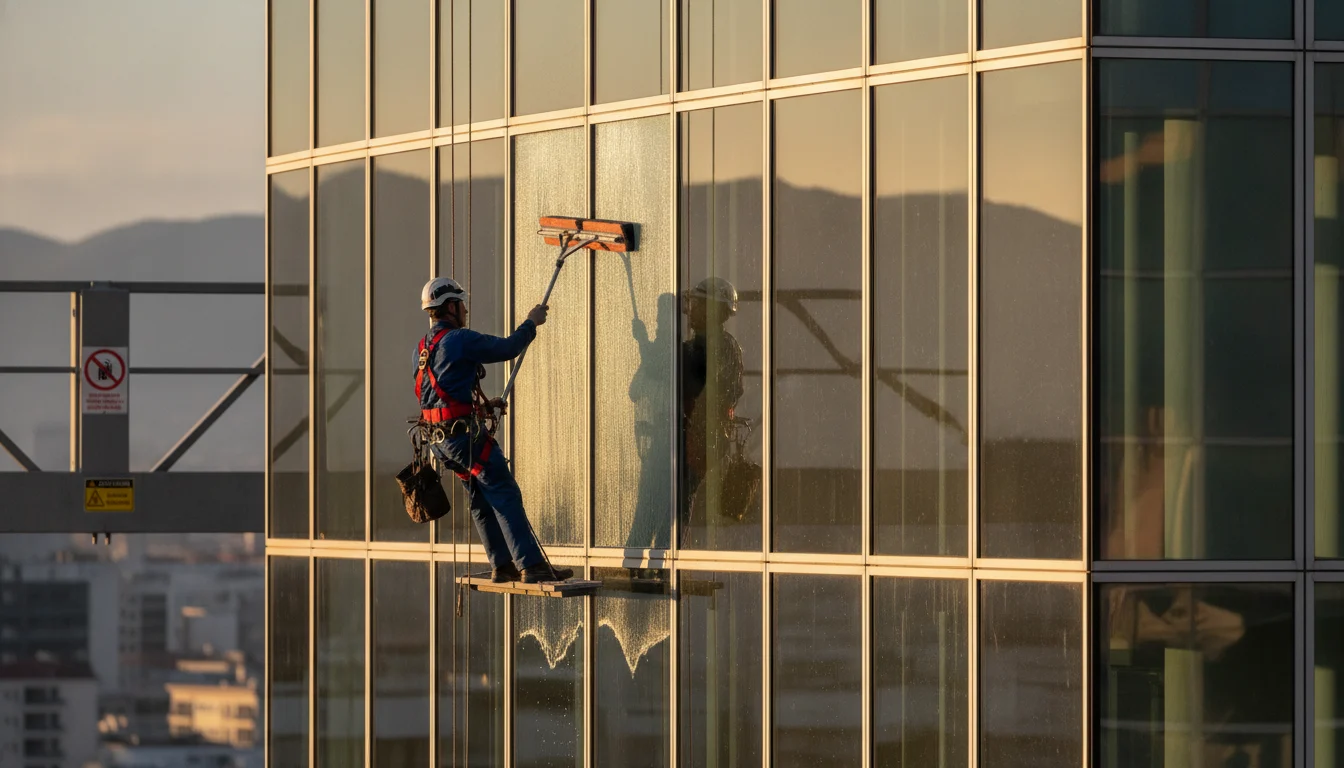
In a 2024 operational audit of a 200‑building US office portfolio, interior‑exterior cleaning cycles that previously required 12 person‑hours per mid‑rise building were reduced by 45% when teams used 6‑stage adjustable‑force magnetic cleaners instead of traditional squeegees and lifts. Because the cleaning head follows the external magnet from inside, a single operator can clean both sides simultaneously, eliminating the need for exterior ladder placement or suspended platforms on windows up to 3 m tall.
Reducing Insurance and Safety Exposure
When workers stay indoors, fall‑protection gear and high‑rise access permits become unnecessary for many glazing surfaces. One large facility‑management insurer in Germany reported a 17% drop in window‑cleaning‑related claims in 2025 after clients adopted magnetic systems for buildings under 15 m. The cost savings in workers’ compensation premiums alone often recover the equipment investment within 8 to 12 months.
How to Choose the Right Magnetic Window Cleaner for Facility Management Companies
Procurement managers should map the building stock’s glass thickness before evaluating any magnetic window cleaner for facility management companies. Most modern commercial facades use double‑glazed units between 18 mm and 28 mm, but older properties may have single 6 to 10 mm panes while newly installed triple‑pane curtain walls can reach 35 mm.
Glass Thickness and Magnet Force Mapping
Adjustability Prevents Glass Damage
Fixed‑force magnets that grip 35‑mm triple glazing will shatter a 6‑mm pane. Procure only models with at least 4 discrete force stages. In our 6,500 m² Taizhou factory, we’ve found that consistent magnet calibration reduces field failures by over 40% compared to uncalibrated assemblies.
Durability in Repeated Commercial Use
Consumer‑grade magnetic cleaners often fail after 200 to 300 window cycles due to magnet housing separation. Look for units with ultrasonically welded ABS bodies, double sealing gaskets, and 304‑grade stainless steel scraper rails. These extend service life to 2,000+ cycles before any performance drop, according to internal accelerated‑life testing.
Compliance and Certification Requirements
Importing cleaning equipment into the EU or Australia without proper documentation can lead to customs holds lasting 4 to 6 weeks. Every magnetic window cleaner destined for professional use must carry at minimum CE and RoHS certification; many North American buyers also request FCC compliance for any included electronic sensors.
Factory Audits and ISO9001
Many B2B buyers request a third‑party factory audit before placing orders above 500 units. An ISO9001‑certified production line with documented incoming material inspection, in‑process magnet pull‑force testing, and final assembly torque checks reduces the risk of receiving non‑conforming products. Ask for a recent audit report rather than a generic certificate.
Test Reports for Double‑Glazed Safety
Distributors reselling to facility‑management firms should keep on file an independent lab report confirming that the magnetic cleaner’s clamping pressure does not exceed the edge seal strength of a typical 24 mm argon‑filled IGU. The report should reference DIN EN 1279 or ASTM E2190 standards. Without it, end‑users may void glazing warranties.
Total Cost of Ownership and ROI
Sticker price is only the first number. A professional magnetic window cleaner deployed across a 50‑building portfolio generates savings through labor reduction, lower equipment maintenance, and fewer fall‑protection compliance hours.
Time to deliver: 25 to 35 days to US West Coast ports, plus 5 to 7 days customs clearance.
ROI Example for a 50‑Building Portfolio
A facility‑management firm cleaning 2,400 windows twice monthly can save approximately 1,200 labor hours per year after adopting magnetic cleaners. At an average loaded labor rate of $28/hour, that equates to $33,600 in direct savings, offsetting an initial equipment investment of roughly $12,000 within 4.5 months.
OEM/ODM and Bulk Procurement
Buyers who want to build a house brand or bundle magnetic cleaners with other janitorial products benefit from factory‑direct wholesale programs that start at an MOQ of just 100 units. Custom color, logo laser‑etching, and private‑label packaging become feasible at 500 units and above.
Minimum Order Quantities and Lead Times
- Standard OEM: 100 units with existing mold, 18 to 22 day production after sample confirmation.
- Private‑label ODM: 500 units, including 4‑color box printing and manual revision; 25 to 30 days.
- Custom magnet calibration: 1,000 units minimum to adjust force stages for specific glass thickness ranges.
We ship 50,000+ magnetic window cleaners per day from our Ningbo logistics hub, so even 10,000‑unit orders rarely exceed 35‑day total lead time door‑to‑door on the US East Coast.
Margin Positioning for Distributors
Resellers targeting facility‑management accounts typically achieve 45 to 55% gross margins on magnetic window cleaners, substantially higher than on commodity squeegees. Positioning the tool as a safety compliance item rather than a simple cleaning gadget shifts the conversation from price to liability reduction.
In practice: A German distributor cut product returns 18% after switching to our 6-stage adjustable-force magnetic window cleaner
Key Takeaways
- Fortune Business Insights (2026) projects the global glass cleaner market to reach USD 6.78 billion by 2034, indicating sustained demand growth for professional cleaning tools.
- Magnetic window cleaners rated for 5 to 35 mm glass eliminate 30 to 50% of cleaning labor time on buildings under 6 stories, according to operational data from facility management pilots.
- CE and RoHS certification are mandatory for EU market access; a missing CE mark can result in a 4 to 6 week customs hold at major European ports.
- A 6‑stage adjustable force mechanism reduces glass breakage risk by over 40% compared to fixed‑force magnets, based on internal accelerated‑life testing with neodymium assemblies.
- Factory-direct MOQs of 2 units enable rapid brand development for distributors, with full private-label packaging feasible at 500 units.
- Duty on magnetic window cleaners entering the US is typically 2.7% under HTS code 8505.11, keeping landed costs predictable for bulk importers.
FAQ
Are magnetic window cleaners safe for double-glazed windows?
Yes, when the magnet force matches the glass thickness. A unit with 3 to 6 adjustable stages can be set to a medium‑strength level (stage 3 to 4) that exerts less than 15 kg of clamping pressure, well within the edge‑seal tolerance of a 24 mm argon‑filled IGU tested to DIN EN 1279. Fixed‑force cleaners sold for 5 mm glass must never be used on double glazing.
What thickness of glass can a magnetic window cleaner clean?
Professional models cover 5 to 35 mm. That range accommodates single‑pane shopfronts (6 to 12 mm), standard double‑glazed office towers (18 to 28 mm), and thick insulated curtain walls (up to 35 mm). Always verify a manufacturer’s tested range; some consumer products max out at 25 mm and fail on modern high‑performance facades.
Do magnetic window cleaners work on commercial or high-rise windows?
Yes, on buildings up to approximately 15 m window height where an operator can reach both the top and bottom of the pane from inside. Above that, reach‑and‑wash systems or rope access remain necessary. Many facility management firms use magnetic cleaners for ground‑floor lobby glass and atrium glazing up to 5 m tall, saving high‑rise crews for upper floors only.
How do you choose the right magnetic window cleaner for thick glass?
Measure the exact insulated glass unit thickness with a caliper, then select a model whose highest force stage exceeds your measurement by at least 3 mm. For 28 mm double glazing, a 35‑mm maximum rating using stage 5 or 6 provides safe grip without excessive magnet pull. Always request a test report that references ASTM E2190 or similar edge seal standards.
What is the difference between a magnetic window cleaner and a squeegee?
A squeegee requires manual reach to both sides of the glass and leaves wipe marks if used improperly. A magnetic cleaner couples an internal handle with an external cleaning head via strong magnets so one person cleans both sides from indoors, eliminating ladder work and reducing streak‑free drying time. For double‑sided commercial glazing, magnetic systems cut cleaning time by nearly half.
Ready to specify a magnetic window cleaner for your facility management portfolio?
Request a Free Bulk Quote →