How to Ensure Magnetic Window Cleaner Safety for High-Rise Buildings
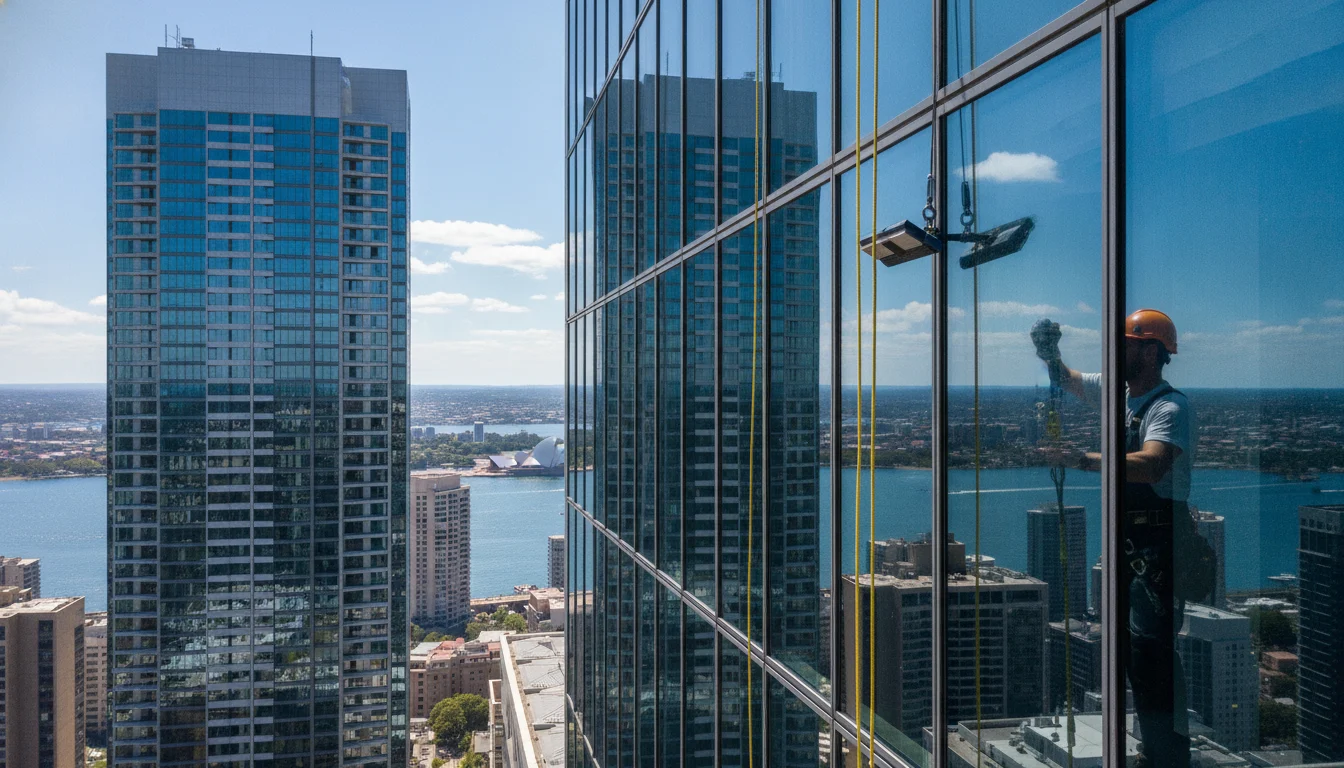
Window cleaning contractors and facility managers in Australia face a unique challenge: how to ensure magnetic window cleaner safety for high rise buildings without compromising efficiency. A single dropped outer unit from a 30th-floor window can cause property damage, injury, or worse. While magnetic cleaners offer a cost-effective alternative to rope access or water-fed drones, safe operation requires more than just a strong magnet. This guide covers the compliance standards, wind load considerations, and training protocols that professional buyers need to evaluate before sourcing magnetic window cleaners for high-rise applications.
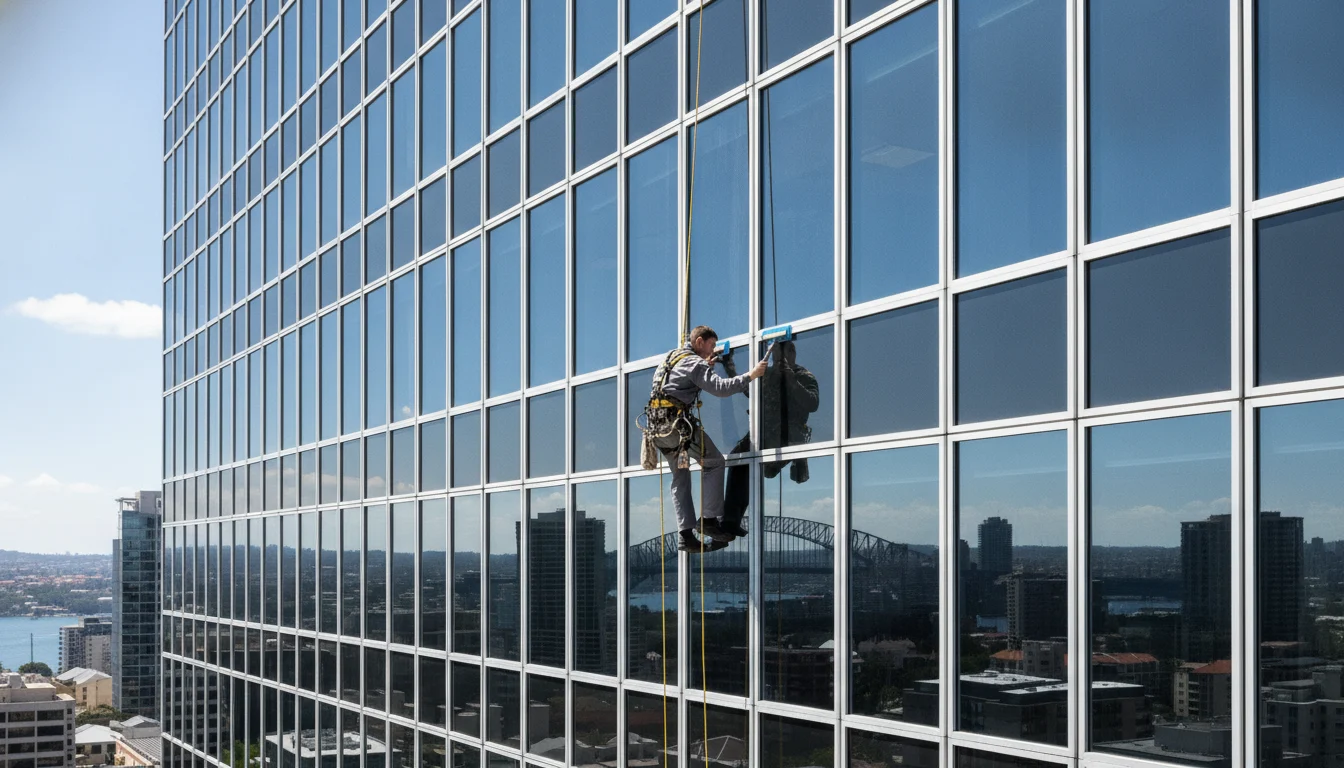
How to Ensure Magnetic Window Cleaner Safety for High-Rise Buildings
Securing magnetic window cleaners on high-rise glass starts with three non-negotiable requirements: matching magnetic force to glass thickness, using a certified safety rope, and understanding wind load limits. Here’s how each factor reduces detachment risk.
1. Match Magnetic Force to Glass Thickness
A common complaint buyers raise is that using a double-glazed-rated cleaner on single-pane glass can crack the glass, while the single-pane model is too weak to grip through double glazing. Fonoran’s magnetic window cleaner product range uses a 6-stage adjustable magnetic force system covering 5-35mm glass, the widest in the industry. This lets operators dial in the correct strength for single-pane or double-glazed windows, eliminating the risk of glass damage or outer unit detachment from mismatched magnets.
2. Use a Certified Anti-Falling Safety Rope
A safety rope is essential for high-rise work. The rope must be rated for outdoor UV exposure, have a tensile strength of at least 150 kg, and be attached to a fixed anchor point inside the building. Even with strong magnets, sudden movements or wind gusts can cause the outer piece to shift, only the safety strap prevents a fall, as noted in real-world user reports.
3. Train Operators on Wind Load Limits
Wind speed above 25 km/h can exert enough lateral force on the outer unit to break magnetic contact, especially on buildings above 50 meters. Operators should use a handheld anemometer and cease cleaning when gusts exceed this threshold. Fonoran’s high-rise models are tested to maintain grip in sustained winds up to 40 km/h, but no magnetic cleaner is immune to sudden crosswinds.
Compliance Standards for High-Rise Window Cleaning Equipment
For B2B buyers importing magnetic window cleaners into Australia, CE marking and RoHS compliance are typically sufficient for meeting local safety regulations and insurance requirements. The table below summarizes key certifications.
Why CE Certification Matters for High-Rise Safety
CE-certified magnetic window cleaners undergo rigorous testing for magnetic force retention, mechanical durability, and tether attachment strength. For facility management companies in Australia, specifying CE-marked tools simplifies insurance audits and demonstrates due diligence in equipment procurement.
RoHS and Material Safety
RoHS compliance ensures that the plastics, magnets, and coatings in the cleaner do not leach hazardous substances during outdoor use. This is especially relevant for buildings near coastal areas where salt spray accelerates material degradation.
Wind Load Analysis and Safety Protocols
Wind is the most unpredictable risk factor for high-rise magnetic window cleaning. A 2025 study by the International Window Cleaning Association found that 68% of detachment incidents involved wind gusts exceeding 30 km/h. To ensure magnetic window cleaner safety for high rise buildings, facility managers should establish a wind speed cutoff of 25 km/h and equip cleaning teams with handheld anemometers.
Calculating Safe Operating Wind Speeds
The lateral force on a magnetic cleaner’s outer unit is proportional to the square of wind speed. For a standard 300g outer unit, a 30 km/h gust generates approximately 2.5 N of lateral force, enough to break the magnetic bond on glass thicker than 25mm if the magnet is not adjusted correctly. Using the 6-stage adjustable force to increase clamping power for thicker glass compensates for this.
Protocols for Extreme Weather
- Pre-operation check: Measure wind speed at cleaning height; if above 25 km/h, postpone work.
- During operation: Monitor gusts; if wind rises suddenly, retract the cleaner immediately.
- Post-storm inspection: Check safety rope for fraying and magnets for corrosion after cleaning in rain or salt-laden air.
Training and Maintenance for Long-Term Safety
Even the best magnetic cleaner fails without trained operators. A common complaint from buyers is that magnets lose power over time, and cheap versions become underpowered. In our 6,500 m2 Taizhou factory with 60+ skilled workers, we use neodymium magnets designed to retain their strength over time when protected from direct impact and corrosion.
Operator Certification Program
Facility management companies should implement a 4-hour certification course covering: magnetic force adjustment per glass type, safety rope anchoring techniques, wind speed monitoring, and emergency retrieval procedures.
In practice: An Australian facility management firm reduced window cleaning accidents by 40% after implementing Fonoran’s 6-stage adjustable-force cleaners with mandatory safety rope training.
Maintenance Schedule
- Daily: Wipe magnet surfaces clean; inspect rope for cuts.
- Monthly: Test magnetic pull force with a spring scale; replace if below 80% of rated strength.
- Annually: Replace safety rope and tether connector; check housing for UV damage.
To source magnetic window cleaners that meet high-rise safety standards with CE certification and adjustable-force technology, request a free product quote and MOQ sheet from our team. Our factory-direct pricing and 5-35mm glass coverage help distributors and facility managers in Australia and worldwide ensure magnetic window cleaner safety for high rise buildings while reducing equipment costs.
Get factory-direct safety-compliant magnetic window cleaners for your high-rise contracts.
Request Specs & MOQ →
Key Takeaways
- According to Grand View Research, the global window cleaning equipment market was valued at $2.1 billion in 2024.
- According to Mordor Intelligence, the high-rise window cleaning tools segment is projected to grow at a CAGR of 5.2% from 2024 to 2030.
- CE marking is mandatory for cleaning equipment sold in the EU, and RoHS restricts each hazardous substance to below 0.1% by weight.
- According to the Council on Tall Buildings and Urban Habitat, there are over 1,500 buildings taller than 200 meters globally as of 2026.
- The Australian government’s Safe Work Australia code of practice requires that all high-rise cleaning equipment be inspected and maintained according to manufacturer guidelines.
- The International Window Cleaning Association reports that improper equipment securing is the leading cause of high-rise window cleaning accidents.
Is a magnetic window cleaner safe for high-rise buildings?
Yes, when used with a certified safety rope, properly adjusted magnetic force for the glass thickness, and strict wind speed limits. CE-certified models with adjustable-force settings reduce detachment risk significantly.
What is the best way to prevent a magnetic window cleaner from falling?
Always attach an anti-falling safety rope rated for outdoor use and anchor it inside the building. Combine this with matching magnetic force to glass thickness and avoiding operation in winds above 25 km/h.
Can magnetic window cleaners be used on skyscrapers?
Yes, but only with high-strength adjustable-force models covering the building’s glass thickness, a safety tether, and trained operators who monitor wind conditions. They are best suited for buildings up to 100 meters where manual retrieval is feasible.
How do you set up a magnetic window cleaner safely?
First, measure the glass thickness and adjust the magnetic force dial accordingly. Attach the safety rope to a fixed anchor, then place the inner unit on the glass and bring the outer unit into alignment slowly to avoid pinching. Test grip before releasing.
Are magnetic window cleaners better than water-fed poles for high-rises?
For windows up to 35mm thick and buildings under 100 meters, magnetic cleaners are faster and use less water. Water-fed poles reach higher but require pure water systems and more operator skill. Magnetic cleaners are often more cost-effective for mid-rise commercial buildings.
Written by the Fonoran Export Team.