DDP Shipping Magnetic Window Cleaner from China to US (2026 Guide)
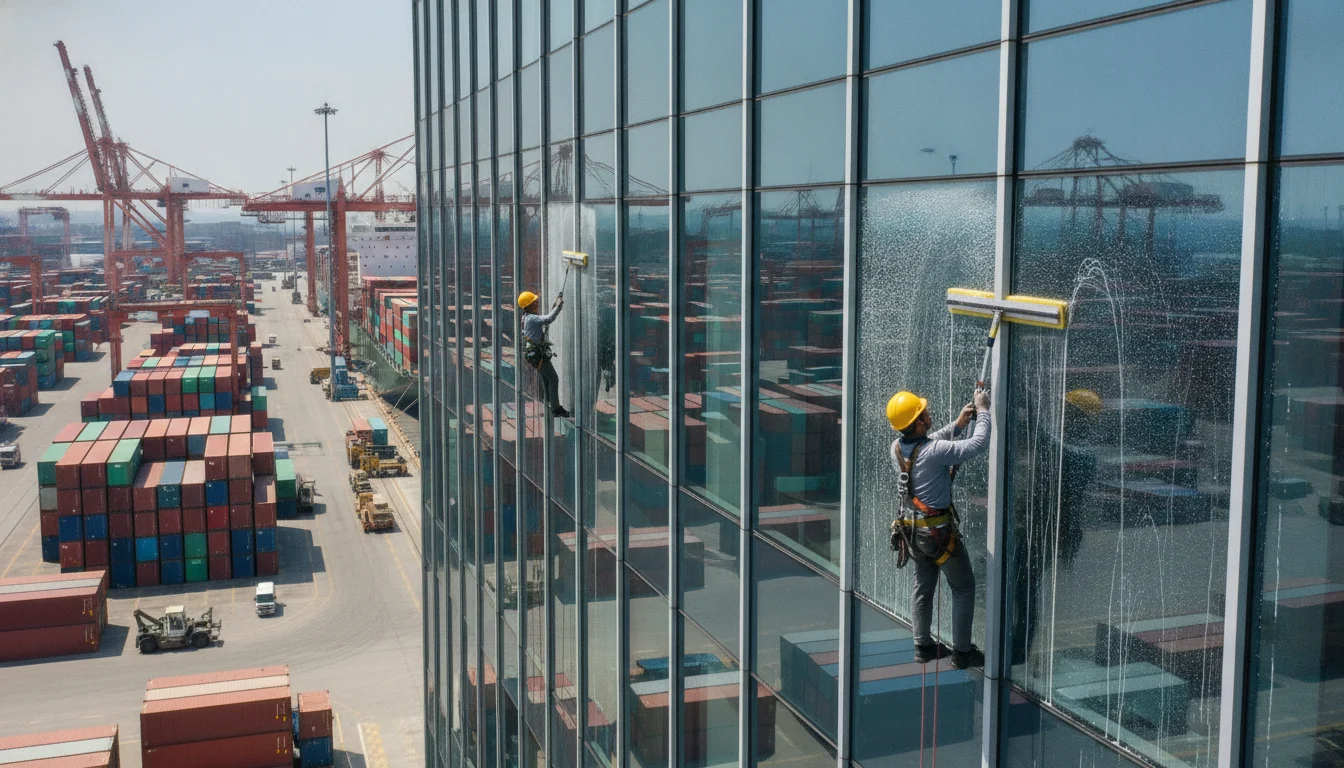
When importing magnetic window cleaners in bulk, confusion over landed costs and customs delays can derail your procurement timeline and erode margins. DDP shipping magnetic window cleaner from China to US eliminates these risks by transferring all freight, duty, and clearance responsibilities to the supplier, delivering products to your warehouse door at a fixed, transparent price.
📋 Table of Contents
Executive Summary
- DDP coverage: Supplier pays ocean freight, US import duty, customs clearance, and final-mile delivery to your warehouse address.
- Typical duty rate: Magnetic window cleaners under HTS 8205.51.30 face 3.7% ad-valorem duty when imported into the United States.
- Ocean transit: Ningbo to Los Angeles averages 18-22 days, Ningbo to New York 28-32 days via standard container service.
- Packaging compliance: ISO9001-certified factories use five-layer corrugated cartons with EPE foam inserts to protect glass-contact surfaces during 30+ day ocean voyages.
- Cost transparency: DDP pricing eliminates surprise fees at destination, critical for distributors managing tight retail-margin windows of 25-35%.
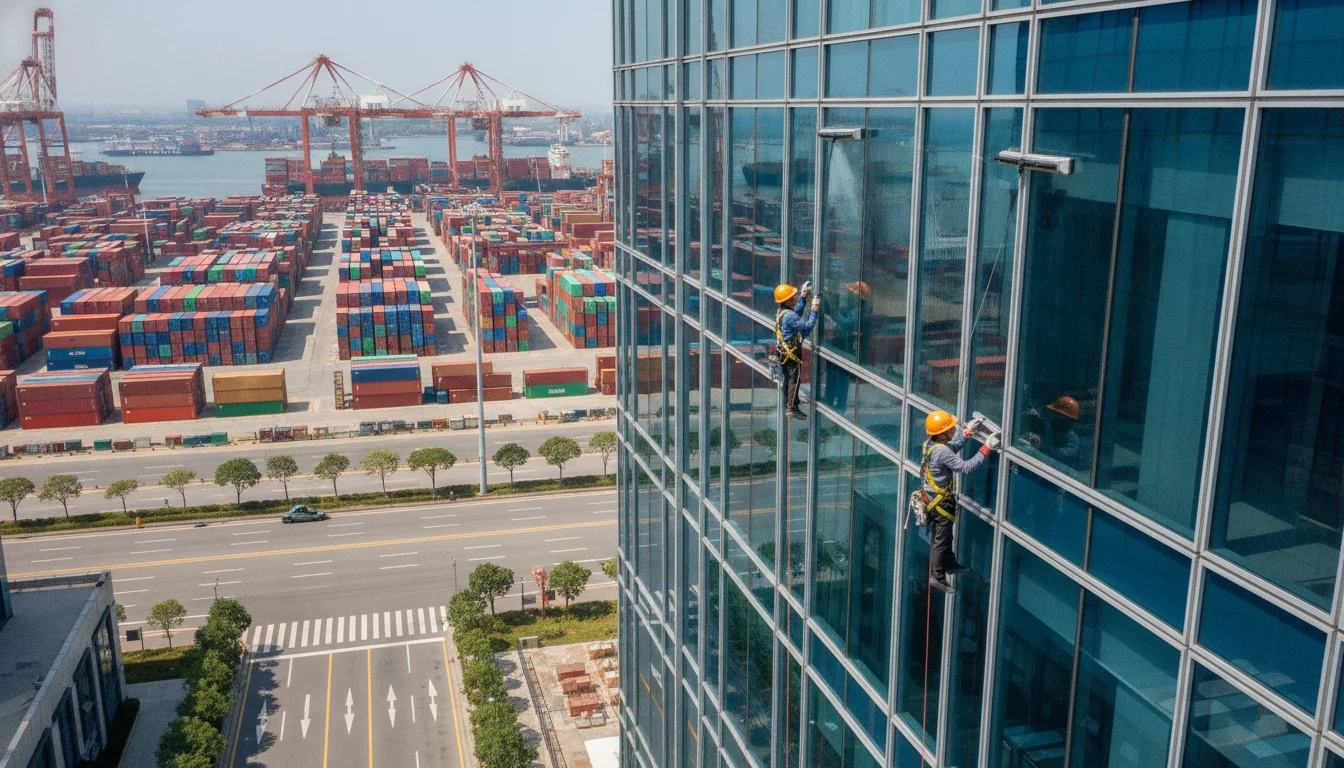
What DDP Shipping Covers for Magnetic Window Cleaners
DDP (Delivered Duty Paid) is an Incoterm where the seller assumes maximum responsibility. For a magnetic window cleaner shipment from Taizhou to Chicago, your supplier handles export formalities at Ningbo port, ocean freight to a US gateway, import duty payment to US Customs and Border Protection, ISF filing, customs brokerage, and final trucking to your facility. You receive one invoice covering the entire landed cost.
Cost Components Included in DDP
- Export customs clearance: China Customs declaration, commodity inspection (if required), and port handling at Ningbo.
- Ocean freight: Container booking, terminal handling charges, and bill-of-lading issuance for the transpacific leg.
- US import duty: Payment of the 3.7% tariff on the customs value declared to CBP.
- Customs brokerage: ISF (Importer Security Filing) submission 24 hours before vessel departure, entry filing, and coordination with CBP for release.
- Destination delivery: Drayage from the port to your warehouse, including chassis rental and fuel surcharges.
Exclusions: What DDP Does Not Cover
- Unloading at destination: Tailgate delivery is standard; inside placement or forklift service incurs additional fees negotiated separately.
- Storage demurrage: If you delay pickup beyond the free-time window (typically 5 days at US ports), per-diem container charges apply.
- Product liability insurance: DDP covers transit risk until delivery; post-delivery product-liability coverage is your responsibility as the importer of record.
Many importers discover hidden fees when suppliers quote FOB but lack experience with US customs procedures. DDP transfers that complexity to the factory, which already manages export documentation daily. Our 6,500 m² Taizhou facility ships 50,000+ units per day to 60+ countries, giving us volume with freight forwarders and customs brokers that smaller trading companies cannot match.
Landed-Cost Breakdown: FOB vs DDP
Understanding the difference between FOB (Free On Board) and DDP pricing clarifies where cost uncertainty enters your supply chain. The table below compares a 1,000-unit order of adjustable-force magnetic window cleaners rated for 5-35mm glass, shipped from Ningbo to Los Angeles.
The DDP price appears $0.37-0.67 lower per unit because the factory’s freight-forwarder contracts reflect consolidated volume across hundreds of shipments monthly. Individual importers paying spot rates for a single container rarely achieve the same economy. More importantly, you eliminate three separate invoices and the cash-flow burden of paying duty before the goods generate revenue.
Transit Times to Major US Ports
Ocean transit duration from Ningbo (our primary export gateway) to US destination ports varies by routing and transshipment requirements. Direct sailings to West Coast hubs are fastest; East Coast and Gulf destinations often involve a Panama Canal crossing or transshipment at a regional hub.
Peak-Season and Congestion Buffers
The transit windows above reflect normal sailing schedules. During the pre-holiday peak (August through October), add 5-7 days for vessel space allocation and an additional 3-5 days for port congestion at Los Angeles and Long Beach. Savannah and Houston typically handle volume surges with less delay because their container-handling infrastructure expanded significantly between 2022 and 2025.
Air Freight Alternative for Urgent Replenishment
For time-sensitive reorders, air freight from Shanghai Pudong to major US cargo hubs (Chicago O’Hare, Dallas-Fort Worth, Los Angeles) takes 4-6 days door-to-door. Cost per kilogram runs $4.80-6.20, approximately 8-10 times ocean rates. A 1,000-unit magnetic window cleaner shipment weighs roughly 850 kg, yielding an air-freight premium of $3,300-4,500 over ocean. This option makes sense when stockouts would cost more in lost sales than the expedited shipping fee.
In practice: A Texas facility-management distributor avoided a $12,000 stockout penalty by air-freighting 500 units of our 6-stage adjustable-force magnetic window cleaner, paying $2,100 extra in freight but preserving a multi-year contract with a commercial property group
Packaging Requirements for Fragile Cleaning Tools
Magnetic window cleaners face two packaging challenges: protecting the glass-contact rubber blades and microfiber pads from deformation, and preventing the neodymium magnets from attracting metal debris or snapping together during handling. Importers report that damaged packaging is a frequent complaint, particularly when products arrive with scratched squeegee edges or compressed foam pads that leave streaks on first use.
Five-Layer Corrugated Carton Standard
Our production lines use five-layer corrugated cartons (also called double-wall) with a bursting strength of 220 pounds per square inch, tested per TAPPI T-810 protocol. Each master carton holds 20 units individually wrapped in polyethylene film, separated by 10mm EPE (expanded polyethylene) foam inserts that cushion the magnets and prevent unit-to-unit contact. Corner protectors reinforce the carton edges where forklift tines and pallet jacks exert the most stress.
Anti-Scratch Protection for Squeegee Blades
- Blade guards: Thin polypropylene clips snap over the rubber squeegee edge, preventing contact with the carton interior or adjacent units.
- Microfiber pad wrapping: Each cleaning pad ships in a separate sealed bag to avoid dust accumulation and compression marks during the 30+ day ocean voyage.
- Magnet separation: A 3mm foam sheet sits between the two magnetic halves in the carton, preventing them from snapping together if the outer packaging shifts.
Pallet Configuration for Container Loading
A standard 20-foot container holds 10 pallets (each 1.2m x 1.0m x 1.8m high) when loaded in a 2-5-3 configuration. Each pallet carries 20 master cartons (400 units total), yielding 4,000 units per container. Stretch wrap (five layers, 80-gauge LLDPE film) secures the cartons to the pallet, and corner boards prevent the wrap from crushing the top-layer boxes. This configuration survived a third-party drop test from 0.8 meters without carton failure, meeting ISTA 3A standards for packaged products shipped via less-than-container-load and full-container-load modes.
Distributors concerned about return rates should request a pre-production sample of the packaging, not just the product. A facility-management buyer once told us their previous supplier’s flimsy single-wall cartons resulted in a 6% damage rate at the fulfillment center, costing them $1.40 per damaged unit in reverse logistics and replacement shipping.
Customs Clearance and HTS Classification
US Customs and Border Protection classifies magnetic window cleaners under HTS code 8205.51.30 (household hand tools, other). The ad-valorem duty rate is 3.7%, applied to the customs value declared on the commercial invoice. Correct classification avoids costly reclassification penalties and ensures predictable landed costs when you calculate retail pricing.
Required Documentation for CBP Entry
- Commercial invoice: Must show seller name and address (Taizhou Mingyou Intelligent Technology Co., Ltd.), buyer name and address, itemized description (magnetic window cleaner, adjustable-force, 5-35mm glass), quantity, unit value, total value, and country of origin (China).
- Packing list: Carton count, gross weight, net weight, and pallet configuration. CBP cross-checks this against the bill of lading to verify the shipment matches the entry filing.
- Bill of lading: Ocean carrier issues this document; it serves as title to the goods and must be surrendered (or telex-released) before CBP releases the container.
- ISF (Importer Security Filing): Also called 10+2, this electronic filing must reach CBP at least 24 hours before the vessel departs Ningbo. Late or inaccurate ISF filings trigger a $5,000 penalty per shipment.
Section 301 Tariff Considerations
As of August 2026, magnetic window cleaners manufactured in China remain subject to Section 301 tariffs under List 4A, adding an additional 7.5% duty on top of the base 3.7% HTS rate. The combined effective duty is 11.2%. Importers planning large orders should monitor the USTR exclusion process; some cleaning-tool categories received temporary exclusions in 2025, though magnetic window cleaners were not among them. Your customs broker can file a product-specific exclusion request if you demonstrate no alternative sourcing outside China, but approval timelines run 6-9 months.
CE and RoHS Marking for Re-Export to Canada
Many US distributors re-export a portion of their inventory to Canadian retailers. Canada recognizes CE marking for electrical safety (though magnetic window cleaners are non-electric, the mark signals general product-safety compliance) and enforces RoHS limits on hazardous substances in consumer goods. Our CE and RoHS certifications cover the entire 5-35mm adjustable-force product line, allowing you to serve both US and Canadian markets from a single inventory pool without re-testing or re-labeling.
Supplier Audit Checklist for DDP Orders
Transferring duty payment and customs clearance to the supplier requires confidence that they have the infrastructure and experience to execute without delays. A factory that excels at manufacturing may lack the export-compliance systems needed for DDP terms. Use this checklist to qualify suppliers before signing a purchase order.
Export License and Customs Registration
- China Customs registration number: Verify the 10-digit code appears on their commercial invoices and matches the entity name on their business license.
- Export license validity: Magnetic window cleaners are unrestricted goods, but the supplier must hold a general export license issued by the Ministry of Commerce. Request a copy dated within the past 12 months.
- Ningbo port familiarity: Factories located in Taizhou ship from Ningbo, 90 km away. Confirm they have a standing contract with a freight forwarder that operates at Ningbo Beilun container terminal, not just Shanghai (which adds 200 km of inland trucking).
US Customs Bond and Broker Relationship
- Continuous customs bond: DDP shipments require the supplier to post a bond with CBP, typically 10% of the annual import value with a $50,000 minimum. Ask for proof of an active bond or confirmation that their freight forwarder provides one.
- Licensed customs broker: The supplier’s US partner must hold an active broker license in the port of entry. Request the broker’s SCAC code and verify it on the CBP broker lookup tool.
- ISF filing capability: Confirm the supplier or their forwarder files ISF electronically. Manual or paper filings are obsolete and cause delays.
Quality Control and Compliance Testing
- ISO9001 certification: Request the certificate number and verify it on the issuing body’s public registry.
- RoHS test reports: Each product SKU should have a lab report (ICP-OES or XRF method) showing lead, mercury, cadmium, hexavalent chromium, PBB, and PBDE levels below the 0.1% threshold. Reports older than 24 months may not reflect current production batches.
- Drop-test and packaging validation: Ask for ISTA 3A or equivalent test results showing the packaging survived simulated transport without product damage.
Payment Terms and Liability Limits
DDP terms shift risk to the supplier, but you need contractual clarity on what happens if customs delays or damage occur. Specify in the purchase order that the supplier remains responsible for the goods until signed delivery receipt at your warehouse. Include a clause requiring them to carry marine cargo insurance with a reputable underwriter (not a Chinese domestic policy that excludes international claims). Our standard DDP contracts include all-risk coverage up to 110% of invoice value, underwritten by PICC (People’s Insurance Company of China), which maintains claims offices in Los Angeles, New York, and Chicago for faster settlement.
In practice: An Ohio <a href=”https://fonoran.com/wholesale-magnetic-window-cleaner/”>wholesale distributor</a> avoided a $9,500 loss when a container of our magnetic window cleaners was damaged in a port-side forklift accident; our DDP contract and PICC marine policy covered full replacement and expedited air shipment of 200 units to meet their retail launch deadline
Key Takeaways
- DDP shipping magnetic window cleaner from China to US consolidates ocean freight, import duty, customs clearance, and final delivery into a single invoice, eliminating surprise fees at destination.
- Magnetic window cleaners enter the US under HTS code 8205.51.30 with a base duty of 3.7%, plus Section 301 tariffs of 7.5% as of August 2026, for a combined 11.2% effective rate.
- Ocean transit from Ningbo to Los Angeles averages 18-22 days, while East Coast ports like New York require 28-32 days; peak-season congestion adds 5-7 days to West Coast timelines.
- Five-layer corrugated cartons with EPE foam inserts and blade guards reduce damage rates to below 1%, compared to 6% for single-wall packaging reported by importers.
- ISO9001 certification, RoHS compliance, and a continuous customs bond are minimum qualifications for suppliers offering DDP terms; verify each through public registries and broker lookups.
- Factory-direct pricing from a 6,500 m² facility producing 50,000+ units daily delivers 20-30% cost savings versus trading-company quotes, preserving distributor margins in competitive retail markets.
FAQ
What does DDP shipping mean from China to the US?
DDP (Delivered Duty Paid) means the Chinese supplier pays all costs and assumes all risks to deliver goods to your specified US address, including export formalities, ocean freight, US import duty, customs clearance, and final trucking. You receive one invoice covering the entire landed cost, with no separate payments to freight forwarders, customs brokers, or carriers. The supplier remains responsible until you sign the delivery receipt at your warehouse door.
How much does DDP shipping from China to the US cost?
For a 1,000-unit magnetic window cleaner order (one 20-foot container), DDP to Los Angeles typically costs $11.20-11.50 per unit landed, including the 11.2% combined duty rate. This reflects $8.50 ex-factory price, $2,200 ocean freight, $315 import duty, $200 customs brokerage, and $500 drayage. Air freight adds $3.30-4.50 per unit for urgent shipments.
How long does DDP shipping from China to the US take?
Ocean DDP from Ningbo to Los Angeles takes 21-27 days door-to-door (18-22 days ocean transit plus 3-5 days customs and drayage). East Coast ports like New York require 32-38 days total. Peak-season congestion (August through October) adds 5-7 days to West Coast timelines. Air freight DDP completes in 4-6 days from Shanghai to major US cargo hubs, suitable for stockout emergencies but costs 8-10 times more than ocean rates.
What documents are needed for DDP shipping from China?
The supplier must provide a commercial invoice showing buyer and seller details, itemized product description, HTS code 8205.51.30, quantity, unit value, and country of origin; a packing list with carton count and weights; and coordinate the bill of lading with the ocean carrier. The supplier’s customs broker files the ISF (Importer Security Filing) electronically at least 24 hours before vessel departure and submits the entry documentation to CBP for duty payment and release. You receive copies for your records but do not file anything yourself under DDP terms.
Is DDP shipping legal for imports into the US?
Yes, DDP is a recognized Incoterm and fully legal for US imports. However, the foreign supplier cannot be the Importer of Record under US law; they must use a US-based entity (often their freight forwarder or a customs broker) to file the entry and pay duties on their behalf. This entity posts a continuous customs bond with CBP. As the consignee, you remain responsible for product safety, labeling compliance, and any post-importation issues like recalls or FDA inspections, even though the supplier handled customs clearance.
Importing magnetic window cleaners under DDP terms simplifies your supply chain and locks in predictable landed costs, but only when your supplier has the export infrastructure and US customs expertise to execute flawlessly. Verify their ISO9001 certification, customs bond, and freight-forwarder relationships before committing to large orders. Our Taizhou facility’s 60+ workers and daily 50,000+ unit capacity support consistent DDP delivery windows, backed by marine cargo insurance and a decade of exporting to North American distributors. Request a DDP quote with full packaging specs and transit timelines to compare landed costs against your current supplier. Contact our export team with your destination zip code and monthly volume to receive a detailed breakdown within 24 hours.
Written by the Fonoran Export Team.